The Voice That Stopped the World: Adele's Journey from London to Global Icon
When Adele Laurie Blue Adkins released her debut single "Hometown Glory" in 2007, few could have predicted that within four years, she would fundamentally alter the commercial and artistic landscape of pop music. Born in Tottenham, London in 1988, Adele arrived at a moment when pop favored maximalist production and club-ready beats. She offered something different: raw emotional confession delivered through a voice that seemed to contain entire lifetimes of heartbreak despite her youth.
What set Adele apart from her BRIT School contemporaries wasn't just technical prowess — though her contralto range and dynamic control were exceptional from the start. It was her refusal to compromise her artistic vision for radio formulas or trend-chasing. While others built careers on visual spectacle and constant reinvention, she anchored hers in the timeless tradition of the torch song, channeling Etta James and Ella Fitzgerald through a distinctly British lens. Her commercial dominance proved that authenticity still had market power in an increasingly manufactured pop ecosystem.
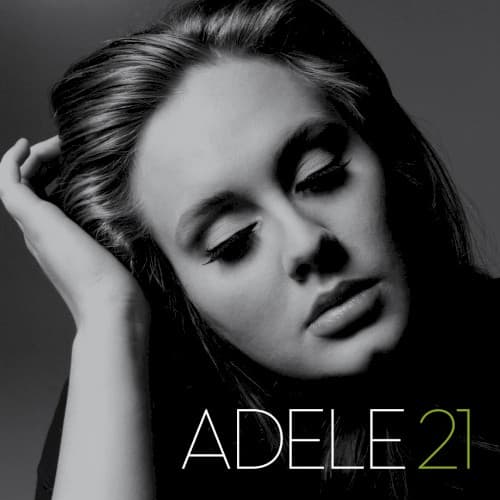
By the time "21" shattered every conceivable sales record in 2011, Adele had become a cultural reset button. She demonstrated that an artist could achieve unprecedented success without conforming to industry expectations about image, genre boundaries, or promotional cycles. Her subsequent albums arrived as major cultural events spaced years apart, each one reinforcing her position as pop's most reluctant yet most successful superstar.
Powerhouse Restraint: How Adele Redefined Vocal Pop for the Streaming Era
Adele's sonic signature lies in the tension between power and vulnerability. Her voice carries the gospel-trained intensity of classic soul singers, capable of overwhelming a room, yet she deploys that force with surgical precision. Listen to how she builds "Rolling in the Deep" — the verses simmer with controlled anger before the chorus unleashes her full range. This dynamic mastery separates her from vocalists who rely on constant belting. She understands silence, breath, and the emotional weight of a note held just slightly longer than expected.
Her production partnerships reveal an artist who values emotional clarity over sonic innovation. Working primarily with Paul Epworth, Greg Kurstin, and Ryan Tedder, she favors arrangements that create space for her voice rather than compete with it. Piano ballads form her foundation, but she's equally comfortable with Motown-influenced stompers and blues-inflected slow burns. The instrumentation on her records — strings, horns, spare percussion — recalls the analog warmth of classic soul records while maintaining contemporary polish. Nothing distracts from the central narrative.
What makes Adele's approach revolutionary in the streaming age is its refusal to chase playlist algorithms or TikTok virality. Her songs run long, build slowly, and demand full attention. They're engineered for emotional catharsis rather than background listening. This anti-trend stance has paradoxically made her one of the most commercially successful artists of the 21st century, proving that depth and accessibility aren't mutually exclusive when paired with undeniable vocal talent and songwriting honesty.
From BRIT School Graduate to Record-Breaking Phenomenon: Adele's Selective Discography
Adele's career trajectory defies every conventional wisdom about maintaining pop relevance. After graduating from the BRIT School in 2006 — the same institution that produced Amy Winehouse and Jessie J — she posted demos on MySpace that caught the attention of XL Recordings. Her debut album "19" (2008) earned critical praise and commercial success in the UK, but positioned her as a promising talent rather than a generational voice. Songs like "Chasing Pavements" showcased her potential, but the album's production sometimes felt too polite for the emotions she was conveying.
Everything changed with "21" in 2011. Co-written largely in response to a painful breakup, the album captured universal heartbreak with devastating specificity. "Someone Like You" became a global phenomenon not through radio manipulation or viral marketing, but through raw emotional resonance. The album spent 24 weeks at number one in the US alone, selling over 31 million copies worldwide and becoming the best-selling album of the 2010s. It swept the Grammy Awards, winning all six categories for which it was nominated, including Album of the Year. More significantly, it proved that an album could still function as a unified artistic statement in the singles-driven digital era.
Rather than capitalizing immediately on this success, Adele disappeared. She had a child, withdrew from public life, and returned four years later with "25" (2015), which broke first-week sales records previously held by NSYNC. The album's lead single "Hello" generated 27.7 million views in its first 24 hours, demonstrating that her absence had only intensified public appetite. By making scarcity part of her brand, she inverted the always-on celebrity model that dominates modern pop.
Her subsequent album "30" (2021) arrived after another extended break, this time processing her divorce. The pattern had solidified: Adele releases albums when she has something to say, on her own timeline, without concern for industry cycles. Each release becomes a cultural event precisely because they're infrequent. This approach has influenced how other established artists think about album rollouts, proving that strategic restraint can generate more impact than constant content production.
Throughout her career, she's maintained strict control over her artistic direction and public image. She's known for minimal social media presence, rare interviews, and resistance to the constant self-promotion that defines modern celebrity. Her Las Vegas residency, launched in 2022 after an initial false start, represents her preferred performance model: high-quality shows for dedicated audiences rather than grueling world tours. This selectivity extends to collaborations — she rarely features on other artists' tracks and doesn't chase trendy producers, maintaining a consistent creative vision across her entire discography.
The Adele Effect: How One Voice Reshaped Pop's Commercial and Artistic Possibilities
Adele's influence on pop music extends beyond her own sales figures into how the industry understands commercial viability. Before "21," conventional wisdom held that album sales were dying and that success required constant singles, features, and visual reinvention. She proved that audiences still craved substantive albums from artists with distinct points of view. Her success gave labels permission to sign and develop vocally-focused artists who didn't fit the pop-star mold, indirectly enabling the careers of singers like Sam Smith, Lewis Capaldi, and Freya Ridings.
Her impact on vocal trends in pop is equally significant. While the 2010s saw many artists favor breathy, intimate delivery suited for earbuds, Adele's powerhouse approach reminded listeners of pop's gospel and soul foundations. Young singers now grow up in a landscape where both minimalist restraint and full-throated belting are viable paths to success. She bridged the gap between the great soul vocalists of the 20th century and contemporary pop, making that lineage feel alive rather than historical.
Culturally, Adele normalized vulnerability as strength in an era often characterized by manufactured perfection. Her willingness to write explicitly about heartbreak, divorce, and personal failure without framing them as empowerment narratives or dramatic spectacle changed how pop addresses emotional complexity. She proved that audiences respond to specificity and honesty, that singing about personal pain can create universal connection. Her Grammy sweep after giving birth, performing "Someone Like You" with visible emotion at the 2011 Brit Awards, choosing to restart her Grammy performance when it went wrong — these moments created a public persona built on humanity rather than invincibility. That example resonates through pop's current embrace of mental health discussions and emotional transparency.