
From Broadway Roots to Pop's Vocal Powerhouse
Ariana Grande emerged in the early 2010s carrying a vocal instrument that seemed engineered for a different era—a four-octave range with whistle register capability that invited immediate comparisons to Mariah Carey and Whitney Houston. Yet she arrived during streaming's ascendance, when pop's dominant mode favored restraint over runs. The tension between her technical gifts and contemporary production aesthetics has defined her entire career.
Her path from Nickelodeon actress to pop heavyweight wasn't inevitable. Early singles leaned heavily on retro doo-wop pastiche, a safe choice that nearly pigeonholed her as novelty. The breakthrough came when she stopped treating her voice as the entire product and started using it as one element within minimal, breath-focused arrangements. Dangerous Woman in 2016 marked the pivot—less acrobatics, more controlled intensity.
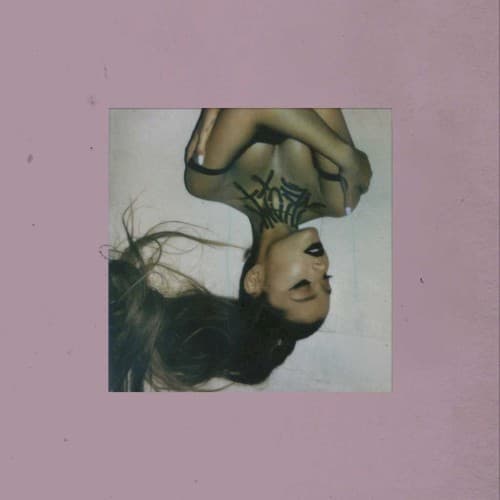
By the time thank u, next arrived in 2019, Grande had become something rarer: a technical vocalist who could thrive in trap-adjacent production. She understood that contemporary ears respond to intimacy and texture as much as range. Her whisper-to-belt dynamic became signature, and her ability to navigate personal trauma through confessional pop without sacrificing sonic sophistication established her as more than just the girl who could hit high notes.
Controlled Power: The Grande Vocal Approach
Grande's technical foundation is undeniable—classical training, musical theater discipline, a natural facility with melisma that most pop vocalists spend years trying to fake. But what separates her from pure technical singers is her willingness to pull back. Listen to the verses on "breathin" or "ghostin"—she's almost whispering, using head voice in a way that feels conversational rather than performative. Then the chorus arrives and she's belting with full chest resonance. That contrast is her sonic signature.
Her relationship with producers has been critical. Tommy Brown became her primary collaborator starting with My Everything, understanding that her voice needed space rather than clutter. The production on her best work—Sweetener, thank u, next, positions—features minimal melodic competition. Bass-heavy beats, sparse synth lines, trap hi-hats creating rhythmic propulsion while the vocal remains the melodic anchor. When Max Martin worked with her on "thank u, next," he stripped the production down to piano, light percussion, and vocal layers. The song works because Grande knew when to ornament and when to stay simple.
She's also developed a distinct rhythmic pocket. Early material featured stiff phrasing, hitting beats exactly where expected. By Sweetener, she was sliding around the beat, using breath and空間 to create syncopation. The intro to "God is a woman" demonstrates this—she's barely singing on the beat, letting phrases land slightly late or early, creating tension. It's a trap music influence applied to pop vocal performance, and it distinguishes her from vocalists who prioritize clean execution over groove.
Redefining Pop Vocals for the Streaming Generation
Grande's influence on contemporary pop vocals is already evident. A generation of singers now employs her whisper-to-belt dynamic, understanding that constant belting reads as outdated in headphone-focused listening culture. She proved that technical facility doesn't require constant demonstration—that a whistle note matters more when you've spent three minutes singing conversationally. Watch any vocal competition show now and you'll see contestants mimicking her specific blend of R&B runs and trap-influenced phrasing.
Her cultural impact extends beyond music. The way she processed public trauma—the Manchester bombing, Miller's death, highly publicized relationship struggles—while maintaining artistic output created a template for celebrity vulnerability in the social media age. She didn't disappear to heal; she channeled grief into work and spoke directly to fans about mental health. That approach influenced how younger artists like Billie Eilish and Olivia Rodrigo discuss emotional struggles publicly while maintaining artistic boundaries.
Commercially, she's among the streaming era's most consistent performers. Seven studio albums, all debuting in the Billboard Top 3, with thank u, next spending seven weeks at number one. She understands playlist culture—how to craft songs that work both as deep album cuts and algorithmic recommendations. Her collaboration strategy has been shrewd: working with The Weeknd, Nicki Minaj, and Social House to access different audience segments without diluting her core sound. Whether she'll achieve the decades-long cultural permanence of Madonna or Mariah remains uncertain, but she's already secured her position as the defining pop vocalist of the 2010s—someone who honored vocal tradition while adapting it for contemporary production aesthetics.