The Architect of Pop Reinvention
Madonna Louise Ciccone didn't just dominate pop music for four decades—she rewrote the rules of what a pop star could be. Emerging from New York's downtown club scene in 1983, she transformed from disco-funk provocateur to global phenomenon by understanding something fundamental: pop stardom requires constant evolution. Her 1984 breakthrough "Like a Virgin" established her as a master manipulator of image and controversy, but her real genius lay in recognizing that sonic reinvention was the key to longevity.
Born in Bay City, Michigan, and raised in the Detroit suburbs, Madonna arrived in New York in 1977 with classical training and raw ambition. Her early singles—"Holiday," "Borderline"—captured the tail end of disco's influence while anticipating the synth-driven dance-pop that would define the mid-80s. What separated her from contemporaries was an almost architectural approach to career construction: each album cycle presented a new sonic palette, a new visual identity, a new provocation for mainstream culture to absorb or reject.
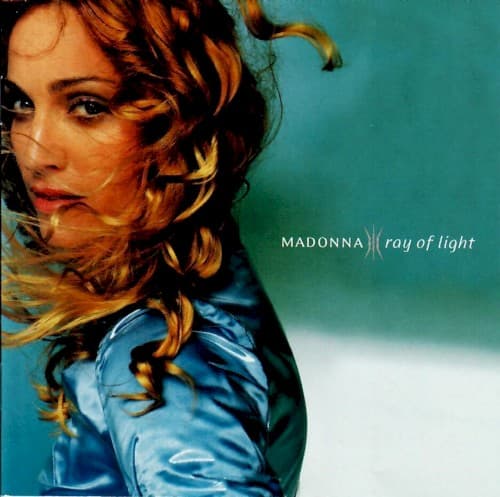
By the late 90s, when many of her peers had faded or calcified into nostalgia acts, Madonna delivered her most critically acclaimed reinvention: the electronica-influenced introspection of "Ray of Light." The album proved her ability to not just follow trends but to synthesize underground sounds into accessible pop formats. Her influence extends beyond her own discography—she established the template for the modern pop star as cultural shapeshifter, paving the way for artists who treat reinvention as strategy rather than compromise.
Electronic Textures and Vocal Restraint
Madonna's sonic signature has always been her lack of one. Her voice—a light, girlish instrument with limited technical range—became an asset precisely because it forced her to prioritize production innovation over vocal gymnastics. Early collaborations with Nile Rodgers and Jellybean Benitez gave her music a warm, organic funk foundation, but by "True Blue" (1986), she'd embraced the glossier, more synthetic production that defined mid-80s pop. Her vocals floated atop dense arrangements, breathy and direct, creating an intimacy that contrasted with the era's tendency toward belted choruses.
The genius of her approach lies in vocal restraint. Unlike the vocal athleticism that would later dominate pop through Whitney Houston and Mariah Carey's influence, Madonna's delivery remained conversational, almost confessional. On "Like a Prayer" (1989), gospel influences pushed her slightly outside her comfort zone, but even there she understood that her strength was emotional directness rather than technical prowess. This self-awareness allowed her to focus on what production could do—layering synths, manipulating vocal effects, building rhythmic complexity beneath simple melodic hooks.
"Ray of Light" represented her most dramatic sonic evolution. Working with William Orbit, she immersed herself in trance, trip-hop, and ambient electronica—sounds that had been percolating in UK clubs for years but had barely touched American Top 40 radio. The title track's stuttering beats and processed vocals, the Eastern-tinged mysticism of "Frozen," the acoustic vulnerability of "The Power of Good-Bye"—this was Madonna stripping away the brash confidence of her imperial phase and exploring something more textured and uncertain. The album's production remains stunning: warm analog synths, acoustic guitar fragments, orchestral swells, and drum programming that felt organic rather than mechanical. It proved she could absorb underground aesthetics without diluting them, a skill few pop artists of her generation possessed.
Four Decades of Strategic Evolution
Madonna's commercial explosion happened fast. Her self-titled 1983 debut went multi-platinum on the strength of club-friendly singles, but "Like a Virgin" (1984) made her a global phenomenon and a lightning rod for cultural anxiety. The album's combination of sexual provocation and irresistible hooks—paired with Nile Rodgers' warm, funk-inflected production—established the template: Madonna as both mainstream hitmaker and deliberate transgressor. "Material Girl" became her calling card, though she'd spend years complicating that image.
The mid-80s trilogy of "True Blue" (1986), "Who's That Girl" (1987), and "Like a Prayer" (1989) showcased her range. "True Blue" leaned into polished synth-pop with Patrick Leonard and Stephen Bray, delivering radio-friendly perfection. But "Like a Prayer" took risks—gospel choirs, Spanish guitar on "La Isla Bonita," the Prince collaboration "Love Song." The title track's Pepsi commercial controversy (quickly pulled after the provocative video aired) demonstrated her genius for turning backlash into publicity. By decade's end, she'd mastered the art of calculated provocation: shocking enough to dominate headlines, accessible enough to dominate charts.
The 90s tested her relevance. "Erotica" (1992) and the accompanying "Sex" book pushed boundaries too far for mainstream comfort—sales suffered and critical reception cooled. "Bedtime Stories" (1994) represented a soft reset, incorporating hip-hop influences through Babyface and Dallas Austin production. But it felt tentative, a star uncertain of her next move. Then came "Ray of Light" (1998), a complete artistic reinvention. The William Orbit collaboration absorbed UK electronica, trance, and trip-hop into lush, introspective pop. Critics who'd written her off were stunned. The album won four Grammys and sold over 20 million copies, proving commercial dominance didn't require returning to familiar formulas.
"Music" (2000) continued the electronic exploration with French producer Mirwais, delivering cowgirl-themed disco and vocodered grooves. "American Life" (2003) tackled political themes but felt heavy-handed. "Confessions on a Dance Floor" (2005) was pure pleasure—a seamless, disco-influenced dance record that recaptured her imperial confidence. Stuart Price's production gave her a modern sheen while honoring classic New York club culture. "Hung Up" sampled ABBA's "Gimme! Gimme! Gimme!" and became one of her biggest global hits, proof she could still dominate dancefloors.
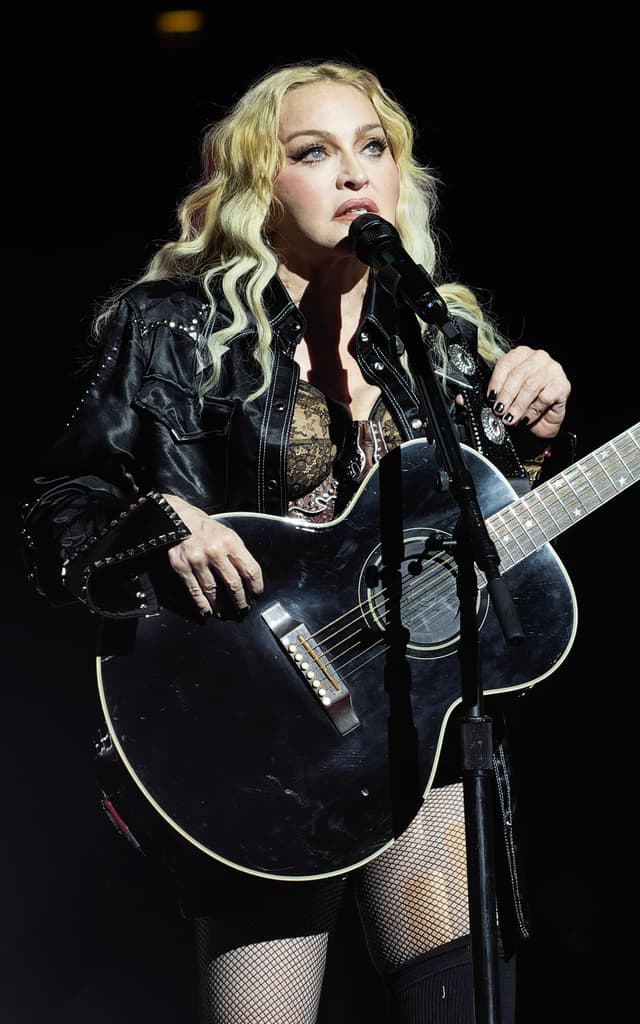
Later work showed diminishing returns. "Hard Candy" (2008) chased Timbaland-style production but felt forced. "MDNA" (2012) and "Rebel Heart" (2015) had strong moments but lacked cohesion. "Madame X" (2019) experimented with Latin influences and featured Maluma collaboration, but reception was mixed. By this point, her legend exceeded her current output—she was competing with her own legacy rather than her peers. The Celebration Tour (2023-2024) confirmed her status as live performer and cultural icon, even as new material struggled to match her classic catalog's impact.
Blueprint for the Modern Pop Star
Madonna's influence on pop music is so pervasive it's almost invisible. Before her, female pop stars were expected to maintain consistent images—disco queens stayed disco, country singers stayed country. Madonna demolished those boundaries, establishing reinvention itself as a viable career strategy. Every modern pop star who treats album cycles as complete aesthetic overhauls—from Beyoncé to Lady Gaga to Charli XCX—operates within the framework she built. She proved that longevity requires evolution, that provocation could coexist with commercial success, and that control over image and sound was non-negotiable.
Her business acumen reshaped industry power dynamics. The $120 million deal with Live Nation in 2007, taking control of touring, merchandising, and album rights, anticipated the shift away from traditional label structures. She understood before most that recorded music was becoming promotional material for more lucrative live performance. Her investments in fitness brands, film production, and fashion demonstrated that pop stardom could be a platform for diversified empire-building.
Culturally, her impact extends beyond music. Her willingness to address sexuality, religion, and politics in mainstream pop opened space for artists to be more than entertainers. The "Like a Prayer" video's burning crosses and interracial kiss, the "Vogue" video's celebration of queer ballroom culture, the "Justify My Love" video's sexual fluidity—these weren't just provocations but deliberate expansions of what mainstream pop could contain. Younger artists inherited that freedom, even when they don't acknowledge the debt. Madonna made it acceptable, even expected, for pop stars to be complicated, contradictory, and constantly evolving. Four decades in, that remains her most enduring achievement.