The scorecard
7.3/10 · Good
- Songwriting25%
- 7.0
- Production25%
- 7.5
- Performance15%
- 8.0
- Cohesion15%
- 6.5
- Originality10%
- 7.5
- Replay value10%
- 7.5
Hooks like the "Complicated" chorus and "Sk8er Boi" story earn their commercial lift, but lines like "he was a sk8er boi" show the seams where teen narrative meets radio craft.
The Matrix's pop-rock clarity on the singles and Magness's heavier guitar arrangements create a split personality that somehow works as dynamic range rather than incoherence.
Lavigne's plainspoken sneer and controlled aggression on "Losing Grip" prove she can sell both the vulnerability of "I'm with You" and the bite of the harder tracks without code-switching.
Front-loaded with three consecutive Matrix singles, then a sharp pivot to grungier Magness tracks, before petering out in the back third with songs like "Too Much to Ask" that feel like contractual obligations.
Arrived when teen pop still meant coordinated dance moves and studio vocalists, introducing a skate-park aesthetic and live-band presentation that made Britney and Christina sound instantly dated.
The singles remain rotation staples two decades later, and the deeper Magness cuts hold up better than the Matrix filler, though the album-rock length tests patience on repeat.
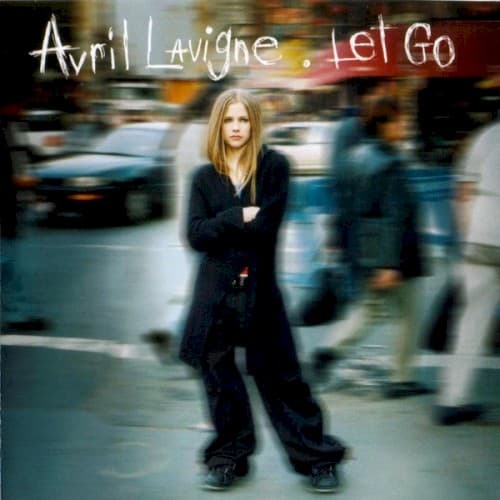
Avril Lavigne Let Go — The Debut That Gave Teen Pop a Lip Ring
Let Go solved a problem the major labels did not know they had in 2002: what to do when the Britney Spears assembly line stopped working. Arista signed a 16-year-old from Ontario with a big voice and bigger ambitions, then spent two years trying to sand off the guitars until she wrote "Losing Grip" with Clif Magness and made it clear she would not be singing Faith Hill songs. The compromise became the template: half the album produced by the Matrix, who gave Arista the radio-ready pop-rock they needed to recoup the $1.25 million advance, and half by Magness, who let Lavigne build the heavy alternative sound she told Rolling Stone she actually cared about. The result is a debut that does not pretend to be coherent, because coherence was never the goal. The goal was to get "Complicated" on TRL without scaring off the kids who wanted something louder than Mandy Moore, and in that specific commercial assignment Let Go is nearly perfect.
The thesis is simpler than the background suggests: this is a singles album that earns its 16 million units by front-loading three genre-defining hits, then coasting on goodwill and Lavigne's performative authority through a back half that rarely justifies the 47-minute runtime. The first four tracks establish the formula and the persona with zero filler. After that, the album struggles to maintain the standard it set in the opening 15 minutes, offering glimpses of a heavier direction Lavigne would not fully commit to until the second record. What holds it together is Lavigne's refusal to soften the delivery even when the Matrix are polishing the hooks to a crossover sheen. She sings "Complicated" like she is annoyed it is not "Losing Grip", and that tension between teen-pop accessibility and post-grunge credibility is what made the album unavoidable in 2002 and what keeps it listenable now.
Split-Screen Songwriting and the Matrix's Crossover Formula
The production credits tell the story: six tracks with the Matrix, who specialize in verse-chorus architecture so airtight it could soundtrack a Gap ad, and seven with Magness, Curt Frasca and Peter Zizzo, who let Lavigne stack distorted guitars and push the vocals higher in the mix. The Matrix wrote "Complicated" in a day after Lavigne rejected their Faith Hill demos, and the result is a masterclass in how to make a song feel casual while engineering every chord change for maximum TRL impact. Lauren Christy's bassline does the melodic work, Graham Edwards locks in a two-chord pre-chorus that lifts into the hook without effort, and Scott Spock's mix leaves just enough room for Lavigne's vocal to sound like she is singing over the track instead of being processed into it. The trick is making four minutes of verse-chorus repetition feel like forward motion, and the Matrix pull it off by keeping the arrangement sparse and letting the lyric's mild irritation carry the song.
"Sk8er Boi" uses the same playbook with a punkier tempo and a narrative conceit that half the reviews in 2002 called "endearingly naive" because they could not say "transparently calculated" in a positive review. The song works because Lavigne commits to the story's absurd class divide between skaters and ballet girls with the same conviction she brings to the emotional stakes of "I'm with You", which remains the album's most durable Matrix production. That track strips the formula down to piano, strings and a vocal take that proves Lavigne could have been a straight pop singer if the label had insisted. She did not want to be, which is why "Losing Grip" opens the album with Magness's wall of guitars and a chorus that finally lets her scream the hook instead of politely enunciating it. The sequencing is deliberate: start with the sound she wants, then deliver the three singles that justify the marketing budget, then bury the rest of the Magness tracks in the back where only the fans who bought the album will find them.
The weakness is that the Magness songs, apart from "Losing Grip" and "Unwanted", do not justify the heavier sound. "Mobile" is a fine mid-tempo rocker with a forgettable chorus. "My World" tries to split the difference between the Matrix's clarity and Magness's crunch and ends up sounding like neither. "Too Much to Ask" has the awkward phrasing critics cited as evidence Lavigne still needed time to develop as a lyricist, which was true but not disqualifying for a debut aimed at teenagers who cared more about the attitude than the craft. The production across the Magness tracks is solid but not distinctive; Tom Lord-Alge's mix flattens some of the dynamic range that might have made the grungier songs hit harder. What saves them is Lavigne's performance, which never condescends to the material even when the material is not worth the effort.
A Front-Loaded Sequence That Peaks in the First 15 Minutes
The album's commercial logic is ruthlessly efficient: open with the heavy track to establish credibility, then deliver the three singles that will carry the entire campaign, then fill the back half with solid album tracks and a few songs that should have been B-sides. It works because the first four tracks are sequenced to show range without breaking momentum. "Losing Grip" proves she can handle the post-grunge sound Arista was afraid of, "Complicated" proves she can do the TRL crossover, "Sk8er Boi" proves the crossover was not a fluke, and "I'm with You" proves she has a voice that can sell a ballad without strings overwhelming the lyric. After that, the album does not need to do much except not collapse, and it mostly succeeds by keeping the Magness tracks in the middle and saving "Nobody's Fool" for the late-album surge. The sequencing sags in the final third because "Too Much to Ask" and "Naked" are the kind of decent album tracks that work fine as filler but do not reward the listener who made it past the singles.
The pacing issue is partly a function of the era: 2002 was still the tail end of the 75-minute CD era, and 47 minutes was considered restrained. But the album would have been tighter at 40 minutes, cutting the weakest Magness tracks and ending on "Nobody's Fool", which has the punch to close the album without the diminishing returns of the final two songs. The version that exists is a compromise between the heavy alternative record Lavigne wanted to make and the radio-ready pop-rock record Arista needed to sell, and the compromise shows in the uneven back half. The front half is airtight.
The Debut That Redrew the Pop Landscape and Still Holds Its Ground
Let Go is the best debut album Avril Lavigne was ever going to make given the constraints: a major-label machine that wanted Faith Hill with a skateboard, a teenage artist with the conviction to reject that path but not yet the leverage to fully control the sound, and a production team skilled enough to make the compromise sound like a coherent artistic statement instead of a focus-grouped Frankenstein. The album's legacy is that it worked on both levels. It sold 16 million copies by delivering three singles that could not be ignored in 2002, and it established Lavigne as a credible artist by proving she could sing the heavy tracks with the same commitment she brought to the radio bait. The album has aged well because the Matrix's production was clean enough to avoid the period-specific crunch that dates so much early-2000s rock, and because Lavigne's vocal performance is specific enough to still sound like a person instead of a product.
Ranked against the pop and pop-rock debuts of its era, Let Go is top-tier: tighter than Michelle Branch, harder than Vanessa Carlton, more consistent than Kelly Clarkson's Thankful. It is not a perfect album because the back half does not earn its length, but the singles justify the price of admission and the deeper Magness cuts reward the listener who stays past the fourth track. Start with the first four tracks, which remain the definitive statement of what the album was trying to do. Skip the final two songs unless you are a completist.
If the singles work, try Under My Skin, which commits fully to the heavier sound Lavigne was chasing here. If the attitude matters more than the craft, try Paramore's Riot! for the logical evolution of the female-fronted pop-punk template Let Go established. Let Go is not the album Lavigne wanted to make in 2002, but it is the album that made everything else possible, and two decades later it still sounds like the moment teen pop realized it needed guitars.
Track by track
Track Listing
Losing Grip
StandoutThe opening gambit and the thesis statement: this is the sound Lavigne fought for, and Magness gives her thewall of guitars Arista was afraid would alienate radio. The verse builds tension with restrained power chords before the chorus explodes into a scream-sung hook about emotional abandonment that finally lets her voice do what the Matrix productions would not allow. The bridge drops to near-silence before slamming back into the final chorus, a dynamic shift that proves the album could have been a straight alternative rock record if the label had trusted it. The fact that this is track one is a negotiating victory: Lavigne gets to open with her sound before delivering the singles that will pay for it.
Complicated
StandoutThe Matrix's crossover formula at its most efficient: a bassline that does the melodic work, a two-chord verse that never overstays, and a chorus hook so immediate it sounds like it has always existed. Lavigne's delivery is the key; she sings the irritation in the lyric without overselling it, and the result is a performance that feels conversational even as the production is engineered for maximum radio impact. The song's success proved that pop-punk could be a mainstream genre in 2002, not just a niche for fans who aged out of blink-182. The production has aged remarkably well because Spock's mix is clean without being sterile, leaving enough space for the guitars to breathe. This is the song that launched the campaign and the career.
Sk8er Boi
StandoutA narrative song with a class-divide premise that should feel more dated than it does, saved by Lavigne's commitment to the absurdity and the Matrix's knack for disguising repetition as momentum. The verse is all setup, the pre-chorus is all tension, and the chorus is all release, with a guitar line that quotes punk without being punk. The lyric's naivete is part of the appeal: this is a teenager's idea of how social hierarchies work, and Lavigne sings it with the conviction of someone who has not yet learned to be embarrassed by big emotions. The song's enduring presence in pop culture is less about the craft and more about the persona it cemented: Lavigne as the anti-Britney, even if the production is just as calculated.
I'm with You
StandoutThe ballad that proves Lavigne has the vocal control to sell vulnerability without the sneer that defines the uptempo tracks. The Matrix strip the production to piano, strings and a restrained drumbeat, and Lavigne responds with the album's most dynamic vocal performance, building from a whisper in the verse to a soaring chorus that earns its lift. The song's success as the third single was commercially strategic, arriving before Christmas to remind parents the album existed, but the track works on its own terms as a piece of songwriting. The bridge is the peak, where Lavigne holds a note over a key change that shifts the emotional stakes without feeling manipulative. This is the song that proved she could do more than one thing.
Mobile
SolidA mid-tempo Magness production that never finds a hook strong enough to justify its 3:31 runtime. The verse has a nice guitar riff, the chorus has a passable melody, and the whole thing feels like an album track that made the cut because the label needed 13 songs. Lavigne's vocal is committed, but the song does not give her much to work with. It was released as the fifth single in New Zealand, which tells you how deep the label was scraping by mid-2003. Filler.
Unwanted
StandoutThe second Magness track that delivers on the heavier sound "Losing Grip" promised. The production is grungier than anything the Matrix would attempt, with a guitar tone that nods to Alice in Chains and a vocal performance that lets Lavigne lean into the aggression the pop singles kept in check. The chorus hook is strong enough to have been a single in a different timeline where Arista was less risk-averse. The song works as proof that Lavigne's preference for alternative rock was not posturing, and it ages better than the weaker Magness tracks because the songwriting earns the heavy production.
Tomorrow
SolidA Curt Frasca production that splits the difference between the Matrix's pop clarity and Magness's guitar weight, landing somewhere in the middle without committing to either. The verse is fine, the chorus is fine, and the whole thing feels like a competent album track that does not add much to the argument. Lavigne sings it with the same conviction she brings to the stronger material, but the song does not reward the effort. It is not weak enough to skip, but it is not strong enough to remember.
Anything But Ordinary
SolidThe Matrix doing the album-track version of their singles formula: the same verse-chorus architecture, the same clean production, but without the hook that makes "Complicated" or "I'm with You" undeniable. The title became the album's working title before Lavigne changed it to Let Go, which suggests someone at Arista thought this song had single potential. It does not. The chorus is too busy, the melody does not land, and the lyric about rejecting conformity is the kind of teen rebellion that sounds fine at 17 but does not age well. Filler disguised as a statement.
Things I'll Never Say
StandoutA Matrix production that works better than "Anything but Ordinary" because the lyric's specificity about unspoken crushes gives Lavigne something concrete to sell. The verse-chorus structure is predictable, but the melody in the chorus is strong enough to carry the track, and the production's restraint keeps the song from tipping into overwrought territory. It is the kind of solid album track that justifies the purchase after the singles have done their work, and it holds up as a minor entry in the Matrix's catalog of early-2000s pop-rock.
My World
SolidA Magness production that tries to combine his guitar-heavy approach with a pop sensibility and ends up sounding like neither. The verse has a decent riff, the chorus has an okay hook, and the whole thing feels like a song that could have been stronger if it committed to one direction instead of hedging. Lavigne's vocal is energetic, but the production does not give her much room to work. It is not bad enough to derail the album, but it is not good enough to recommend.
Nobody's Fool
StandoutA Peter Zizzo production that delivers a late-album surge with a driving beat and a kiss-off lyric that gives Lavigne room to channel the attitude that made the singles work. The chorus hook is the strongest since "I'm with You", and the production has enough crunch to feel like a return to the heavier sound without abandoning the pop accessibility. The song works as proof that the album still has something to say in the final third, and it should have been the closer. It ages well.
Too Much to Ask
WeakA Magness production with the awkward phrasing critics cited as evidence Lavigne needed more time to develop as a lyricist. The verse stumbles over its own meter, the chorus does not resolve the tension, and the whole thing feels like a song that made the album because the label needed to fill time. Lavigne sings it with conviction, but the material is not worth the effort. Weak.
Naked
WeakA Frasca and Magness co-production that ends the album on a quiet note, which is the wrong choice. The song is fine as a ballad, with a decent melody and a vulnerable lyric, but it does not have the weight to close a 47-minute album that opened with "Losing Grip". The production is too polite, the vocal is too restrained, and the whole thing feels like an afterthought. Should have been a B-side.