The scorecard
6.6/10 · Good
- Songwriting25%
- 6.5
- Production25%
- 8.0
- Performance15%
- 6.0
- Cohesion15%
- 5.5
- Originality10%
- 5.0
- Replay value10%
- 7.0
Strongest on the hooks like the disco lift of "Adore You" and the melancholic piano turn of "Falling", but the verses often coast on vague feeling over specific imagery
Tyler Johnson and Kid Harpoon build a warm, detailed 70s pastiche with real craft, from the Van Morrison shuffle of "Golden" to the layered outro of "Fine Line" that earns its six minutes
The controlled falsetto and soft phrasing work for the bedroom soul moments but lack range; the tender approach starts to blur together by mid-album
Sequencing sags in the middle stretch where "To Be So Lonely" through "Sunflower, Vol. 6" feel like a string of pleasant ideas rather than a deliberate arc, and at 46 minutes the back half could lose a track
Wears its Laurel Canyon and Blue-era influences openly but offers little new perspective on them; the psychedelic folk and soft rock arrive polished and reverent rather than reimagined
The singles hold up and the production rewards headphone listens, but the sameness of tone and delivery means the album works better as background than as a front-to-back statement
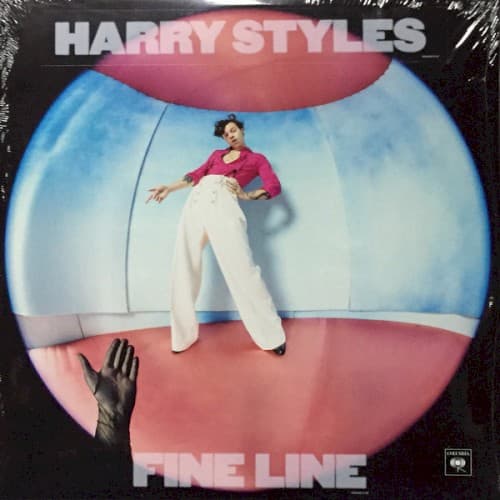
Harry Styles Fine Line — Laurel Canyon Cosplay With Real Hooks
Fine Line wants to be a 1970s California singer-songwriter album so badly that Harry Styles tracked down the woman who built Joni Mitchell's dulcimer and bought one from her. The whole record chases that same validation, dressing up in Van Morrison shuffles, Paul McCartney piano balladry, and Crosby Stills Nash harmonies until it sounds like a very expensive tribute act. The thesis: Styles is a serious artist now, writing about sex and sadness with the elder statesmen of soft rock as his guides. The problem is that the songs rarely justify the expensive homage. When the hooks are strong, as on the disco-funk of "Adore You" or the piano ache of "Falling", the retro production serves them. When the writing is thin, as it is across much of the album's middle stretch, the immaculate 70s sheen just highlights how little is being said.
The stakes are low because Styles never commits to a specific emotional argument. The album is about a breakup with model Camille Rowe, but it circles the subject in soft focus rather than pressing into it. "Cherry" name-checks jealousy but keeps the details vague. "To Be So Lonely" admits fault but stays abstract.
The production team of Tyler Johnson, Kid Harpoon and guests like Jeff Bhasker and Greg Kurstin build a warm, detailed soundscape, but the songs underneath often feel like sketches that got dressed up before they were finished. Fine Line works best when judged as a collection of singles and a proof-of-concept for Styles as a solo artist who can hold an album together. It works less well when judged as the cohesive artistic statement the reverent production and six-minute closing track suggest it wants to be.
The Sound of Expensive Good Taste
Fine Line is a pop rock record that borrows liberally from psychedelic pop, folk, soul and indie pop, but the throughline is 1970s California soft rock rendered with 2019 studio craft. Tyler Johnson and Kid Harpoon, who handle most of the production, know how to build a warm, lived-in mix: the guitars have air around them, the bass sits low without muddying the vocal, and the arrangement details, like the dulcimer on "Canyon Moon" or the backing vocals on "Treat People With Kindness", arrive with purpose rather than clutter. The production is the album's strongest asset, and on the best tracks it does real work. "Adore You" layers a disco bassline under a breezy melody that recalls Harry Nilsson and David Bowie, and the arrangement lifts the chorus without overselling it. "Golden" opens the album with a Van Morrison-style shuffle, recorded at Shangri-La on the second day of sessions, that sets the tone for the whole record: loose, warm, reverent. "Watermelon Sugar" builds a funk groove that sounds expensive but not overproduced, and the hook is strong enough that the arrangement steps back and lets it work.
The ballads are where the production starts to compensate for thinner songwriting. "Falling", written by Kid Harpoon on piano while Styles was in the shower, is a straightforward pop-soul piece that earns its slow build, and Styles' restrained vocal suits the material. "Fine Line", the closing track, was meant to be a simple song with a big outro but Styles kept expanding it until it reached six minutes. The outro is genuinely earned, with layered strings and horns that build without turning into bombast, but the song itself takes a long time to get there.
The weakest stretch of the album is the middle run from "To Be So Lonely" through "Sunflower, Vol. 6", where the production stays immaculate but the songs underneath feel like ideas rather than finished statements. "She", composed on mushrooms and forgotten until the team listened back, has atmosphere but no real center. "Sunflower, Vol. 6" was described by Styles as a filler track meant for deep album listeners, and it sounds like one: pleasant, detailed, inessential. The production never falters, but the material does.
An Album Built for Singles, Paced Like a Statement
Fine Line is sequenced like an artist album but paced like a playlist of singles, and the two impulses do not quite reconcile. The first four tracks establish a strong run: the opener sets the vibe, the second and third deliver the hooks, and the fourth functions as a concise R&B interlude. Then the album shifts into ballad mode, which works individually but slows the momentum without building toward anything specific. By the time the seventh track arrives, the pacing has stalled.
The middle stretch from track seven through track nine feels like filler even when the production is detailed. One song sprawls for six minutes while another coasts on atmosphere. The next track picks up the tempo again with its Joni Mitchell homage, but by then the album has spent too long in soft focus.
The sequencing improves at the end. The penultimate track is a campy Phil Spector pastiche that either works as a palate cleanser or feels out of place depending on your tolerance for kitsch. The title track closes the album with its most ambitious arrangement, and the six-minute runtime is earned by the layered outro rather than padding. At 46 minutes the album is not overlong, but the middle sag is noticeable. Fine Line works better as a collection of strong individual tracks than as a front-to-back listen, which is exactly how most listeners encountered it: through streaming playlists where the singles could live next to other artists' work without the weight of the slower album tracks around them.
Better Than the Debut, Not as Good as What Came Next
Fine Line ranks above Harry Styles' self-titled debut because the hooks are stronger and the production has more confidence, but it ranks below Harry's House because the later album commits to a specific mood and point of view instead of trying to validate Styles as a serious artist through expensive good taste. Fine Line is best for listeners who want polished, warm pop rock that sounds great in a coffee shop or on a road trip and who do not need the songs to cut very deep. It is less suited to listeners who want the breakup album the marketing promised or who need the pastiche to add something new to the sounds it borrows from. The album aged well commercially because the singles held up and because Styles' profile kept rising, but musically it feels like a transitional record: proof that he could carry an album, but not yet proof that he had something urgent to say.
Start with "Adore You", "Watermelon Sugar" and "Falling", which represent the album's range and its strengths. If those tracks work, the rest of the album will at least sound good even where the songwriting thins out. Skip it if you found the debut too reverent and too soft, because Fine Line doubles down on both. For a sharper, more focused version of what Styles was aiming for here, try Harry's House, which trades the 70s cosplay for a more specific sound and a clearer emotional argument. For listeners who want the Laurel Canyon pastiche done with more bite and specificity, Weyes Blood Titanic Rising from the same year shows what that approach can do when the songwriting matches the production ambition.
Track by track
Track Listing
Golden
StandoutOpens with the Van Morrison shuffle that sets the template for the whole album: warm production, breezy melody, lyrics that gesture at longing without getting specific. Written in the Shangri-La kitchen on the second day of sessions, it has the loose feel of an early take that locked in the vibe. The chorus lift works and the arrangement knows when to step back, but the verses coast on feeling rather than imagery. Functions perfectly as an opening track that establishes tone without demanding too much attention.
Watermelon Sugar
StandoutThe album's biggest hit and its most confident song, built on a funk groove and a hook strong enough that it survived being named after a postapocalyptic novel that happened to be sitting on a table in the studio. Written in Nashville in 2017 on a day off from the first album's tour, it arrived fully formed and the production just dresses it up without overcomplicating it. The euphemistic lyrics about female pleasure are playful without being coy, and Styles sounds more present here than on most of the album. The seven-times-platinum certification and the Grammy win were earned.
Adore You
StandoutThe album's most complete statement, where the disco-funk arrangement, the Bowie-via-Nilsson melody and the lyrical lightness all pull in the same direction. The production by Kid Harpoon layers the groove without cluttering it, and the chorus lifts without overselling. Performed on Graham Norton and James Corden, it became one of the album's streaming anchors for good reason: it is the rare track here where the retro influences serve a strong song rather than substituting for one. The five-times-platinum certification reflects how well it held up in playlists long after release.
Lights Up
StandoutThe album's lead single and its most succinct track at just under three minutes, written late in the sessions as an exercise in personal storytelling. The R&B groove and the restrained vocal work as a contrast to the more expansive production elsewhere, and the song functions well as an interlude that shifts the mood without stopping the momentum. Styles presented it to the label specifically because it was concise, and the choice was smart: it works better as a teaser than the sprawling album cuts would have. Certified double platinum.
Cherry
SolidThe album's most direct breakup song, where the jealousy theme is named but not explored in specific detail. The ex-girlfriend's voice on the phone in French at the end, captured during the session, is the song's most memorable moment because it adds a real detail that the rest of the lyrics avoid. The production is restrained and the melody has space to breathe, but the song feels like a sketch of a more confrontational track that Styles decided not to write. A standout for listeners who want the album's darkest moment, but it does not press as hard as it could.
Falling
StandoutThe album's most successful ballad, co-written with Kid Harpoon who played the piano part while Styles was in the shower. The pop-soul arrangement builds slowly and the falsetto vocal, while limited in range, suits the material. The production knows when to arrive and when to hold back, and the song earns its four minutes without padding. Certified triple platinum, it became one of the album's streaming anchors alongside the uptempo singles, proof that the softer material could hold its own when the hook was clear and the arrangement was patient.
To Be So Lonely
SolidComposed on a guitalele during a spontaneous writing session, it has the loose charm of a demo but not the finish of a completed song. The admission-of-fault theme is the right move emotionally but the lyrics stay vague, and the melody does not build toward anything specific. The production is warm and the performance is sincere, but the song feels like an interlude that got stretched to three minutes. Marks the start of the album's mid-section sag.
She
WeakComposed on mushrooms and forgotten until the team listened back to the session, which explains why the song has atmosphere but no clear structure. Styles calls it his most British track, but what that means musically is unclear: the six-minute runtime is filled with mood rather than development, and the song does not build or resolve. The production is detailed and the psychedelic influences are present, but without a strong melody or a lyrical idea to anchor them, the track drifts. The album's clearest example of expensive production compensating for thin material.
Sunflower, Vol. 6
SolidDescribed by Styles as a filler track for deep album listeners, and it sounds exactly like that: pleasant, detailed, inessential. Produced by Greg Kurstin, it has a slightly different sonic fingerprint from the Kid Harpoon and Tyler Johnson tracks, but the song itself does not add anything to the album's argument or its emotional arc. Works as background but not as a statement.
Canyon Moon
SolidThe Joni Mitchell homage, where Styles used the dulcimer he bought from the builder of the instrument on Blue. He described it as Crosby Stills Nash on steroids, which is accurate in terms of the harmony-stacked arrangement but optimistic about the songwriting. The production is detailed and the dulcimer adds texture, but the song underneath is thin. The folk-rock pastiche is immaculate but the track does not justify the expensive homage or add anything new to the sound it is borrowing.
Treat People With Kindness
SolidThe album's most divisive track, a campy Phil Spector pastiche built from a tour mantra that producer Jeff Bhasker encouraged Styles to turn into a song. The singalong chorus and the over-the-top arrangement either work as a palate cleanser before the closing track or feel out of place depending on your tolerance for kitsch. The Phoebe Waller-Bridge music video leaned into the camp, which was the right move: the song works better as a knowing joke than as a sincere statement. Certified gold.
Fine Line
StandoutThe album's most ambitious track, originally meant to be a simple song with a big outro but expanded by Styles until it reached over six minutes. The layered strings and horns in the final two minutes are genuinely earned and the arrangement builds without turning into bombast, making it the production showcase the album has been working toward. The song itself takes a long time to get there, and the first four minutes are more setup than statement, but the outro justifies the length. Certified platinum, it functions as the closer the album needed even if it does not quite deliver the emotional resolution the sequencing implies.