The scorecard
8.2/10 · Great
- Songwriting25%
- 9.0
- Production25%
- 8.5
- Performance15%
- 8.0
- Cohesion15%
- 7.5
- Originality10%
- 7.0
- Replay value10%
- 8.0
The fictional narratives and character arcs across cardigan, august and betty show Swift writing beyond diary-entry confessionals with earned emotional precision
Dessner and Antonoff build restraint into the bones of every arrangement, letting piano, guitar and strings carry weight that synths once shouldered
Swift trades her trademark belt for hushed control, nailing the ghostly grief of my tears ricochet and the innocent lilt of seven in single takes
The 63-minute runtime sags slightly in the final third but the folk-ballad template and recurring character arcs hold the album together as a suite
The pivot from arena pop to chamber folk is decisive but the move toward songwriter introspection follows a path worn smooth by indie-pop peers
The subdued arrangements reward repeat listens as lyric details emerge, and the teenage love triangle songs deepen on each pass through the sequence
Taylor Swift folklore — Pop Star Abandons the Stadium for the Study
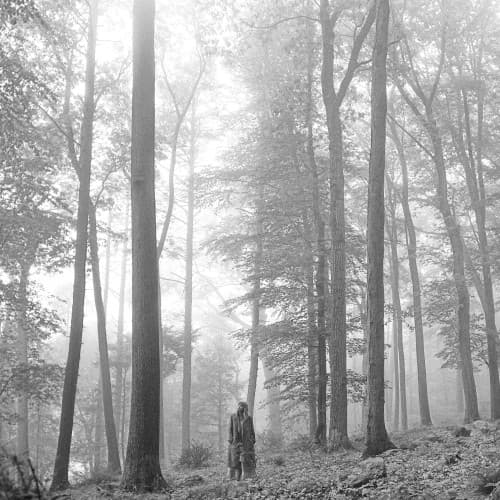
folklore argues that Taylor Swift's biggest commercial liability—her need to fill every song with biographical receipts—was also a creative ceiling she could break through by pretending to be someone else. The album that resulted from that premise, written in quarantine isolation and recorded remotely with Aaron Dessner and Jack Antonoff, discards the radio-ready hooks and arena bombast of her previous work for chamber-pop restraint and third-person storytelling. Instead of another cycle of relationship autopsies and tabloid rebuttals, Swift spins fictional narratives about doomed summer flings, spurned widows, and ghosts haunting their own funerals, using a palette of hushed pianos, picked guitars and muted strings that refuses to chase playlist placement.
The thesis arrives in the structure itself: three songs—cardigan, august and betty—form what Swift called a teenage love triangle, each track narrating the same small-town heartbreak from a different character's perspective at a different point in their lives. That architecture, combined with the refusal to write from her own vantage point, makes folklore the first Swift album where the drama lives in what the songs construct rather than what they confess. The gamble is whether the craft can compensate for the star power, whether fans who showed up for the receipts will stay for the fiction. The answer is mostly yes, with the qualification that the album's subdued template begins to feel like a limitation by the time the sixteenth track fades out.
Quarantine Transformed the Sound, Not Just the Subject
The production on folklore operates under a single rule: if it would work in an arena, strip it out. Dessner, who built eleven of the sixteen tracks, constructs arrangements where every element earns its place—resonant piano chords that sustain and decay, fingerpicked acoustic guitar that sits forward in the mix, strings that swell at the bridge and then pull back before the chorus. The synths and programmed drums that powered 1989 and Lover are dialed down to texture, present but subliminal, creating an electroacoustic soundscape that reads as organic even when the beats are clearly sequenced. Antonoff, working on five tracks including my tears ricochet and mirrorball, brings the same restraint, building mirrorball on pedal steel and twanging guitar that shimmer without overwhelming Swift's vocal.
The songwriting pivots from Swift's usual first-person confessionals to character studies and imagined scenes, but the melodic instincts remain intact. cardigan builds its hook on a simple descending piano line and a chorus that lifts without relying on repetition, the kind of structural payoff that justifies calling it a single. the last great american dynasty tells the story of Rebekah Harkness, the socialite who once owned Swift's Rhode Island mansion, with slide guitar and glitchy production accents that keep the folk-pop frame from feeling too precious. exile, the duet with Bon Iver's Justin Vernon, starts with plodding piano and reaches a dramatic string-and-synth climax, the two voices circling each other in an argument neither will name directly. The teenage love triangle songs—cardigan, august, betty—share melodic DNA, each track echoing the others' phrasing and harmonic structure to signal the connections before the lyrics spell them out.
The vocal performances lean on control rather than power. Swift recorded peace in a single take, her voice calm and measured over three intertwined basslines, and that approach carries through the album—no belted high notes, no stacked harmonies for emphasis, just steady phrasing that lets the lyric land without decoration. The exceptions prove effective: the reverbed ad-libs in the bridge of my tears rirochet, the breathy yelps in august, the ghostly layering in this is me trying. Vernon's baritone on exile provides the album's only real contrast, his growl pushing against Swift's softness in a way that makes the duet feel like the confrontation the lyric describes.
The weaknesses are structural. The folk-ballad template that gives the album coherence also flattens its dynamics—by the time hoax closes the record, the combination of hushed vocal, sparse piano and slow tempo has been deployed enough times that the formula shows through. epiphany, the ambient hymn about pandemic healthcare workers and Swift's veteran grandfather, aims for solemnity but lands closer to well-meaning vagueness, the glacial piano and howling brass unable to compensate for lyrics that gesture at trauma without specifying it. The length is another issue: at sixteen tracks and sixty-three minutes, folklore earns its runtime in the first two-thirds but begins to sag in the final stretch, where peace, hoax and the deluxe edition's the lakes would have benefited from tighter sequencing or cuts.
The Album Peaks Early, Then Meanders Through Its Final Act
The album front-loads its strongest material in the opening three slots, using the fourth track as the first-act climax. That sequencing choice gives the record immediate momentum but leaves the back half to coast on atmosphere rather than hooks. The teenage love triangle songs anchor the structure, spaced wide enough that the listener feels the return to the narrative each time, but the material between them varies in strength. Track five delivers the album's most striking production, the funereal imagery and shuddering drums building to a climax that justifies its placement as the emotional center.
The middle stretch sustains interest, with the seventh track offering the album's most innocent vocal performance and the eleventh building tension through its acoustic arrangement and Swift's controlled delivery. But the final third drags. Two consecutive tracks aim for thematic weight but feel underwritten compared to the specificity of the earlier material, and the slow tempos that worked as restraint in the first half start to feel like stasis. The album would have been stronger at twelve or thirteen tracks, cutting the weaker ballads and ending on the fourteenth track, which provides narrative closure and a country-rock energy that the final three songs lack. As it stands, folklore rewards front-to-back listening in the first two acts but requires patience to reach the end.
A Successful Reinvention That Shows Its Limits by the Final Third
folklore ranks as Swift's most musically adventurous album and her most successful departure from autobiography, proving she can write compelling fiction when the characters are drawn with the same detail she once reserved for her own life. The teenage love triangle songs and the Rebekah Harkness narrative demonstrate craft that goes beyond the confessional mode that defined her first seven albums, and the chamber-pop production from Dessner and Antonoff gives the album a sonic identity distinct from anything in her catalog. The muted arrangements and third-person storytelling will appeal to listeners who found her previous work too loud or too personal, and the album has aged well in the four years since release, its quarantine origins fading into the background as the songs stand on their own merits.
The album is essential for Swift fans and for anyone interested in how a pop star navigates a genre pivot, but casual listeners should start with the first half and the teenage love triangle tracks before committing to the full runtime. cardigan, exile, my tears ricochet and august highlight the album's strengths—controlled vocals, restrained production, narrative architecture—without the repetition that sets in later. Listeners who connect with folklore should hear its companion album Evermore next, which refines the same approach with tighter sequencing, then work backward to Lover to understand what Swift was leaving behind. The album proves the pivot was worth making but also suggests that the folk-ballad template has a ceiling: sixteen tracks of hushed introspection reveal the limits of restraint as clearly as 1989 revealed the limits of maximalism.
Track by track
Track Listing
the 1
StandoutThe opener establishes the album's restrained template immediately: bouncy piano, minimal percussion, electronic accents dialed down to texture. Swift sings from a friend's perspective, wishing an ex could have been a soulmate, and the soft-rock arrangement gives the regret room to breathe without reaching for a big chorus. The production choice signals that this album will not chase radio, and the lyric's focus on someone else's story rather than Swift's own sets up the third-person narratives to come. A strong start that establishes the terms.
cardigan
StandoutThe lead single and the first song in the teenage love triangle, sung from Betty's perspective years after the breakup. The stripped-down folk ballad builds on moody piano and tender drums, and Swift's vocal stays controlled even as the arrangement swells in the bridge. The descending piano hook is the album's catchiest melodic idea, and the lyric's central image—the cardigan as a symbol of young love rediscovered—earns its weight through specificity. Dessner's production lets every element land, and the song justifies its single status by combining the album's restraint with an actual hook. One of the album's three or four essential tracks.
the last great american dynasty
StandoutThe Rebekah Harkness narrative, detailing the socialite's scandalous life in Swift's Rhode Island mansion, built on slide guitar, viola, violins and glitchy production that keeps the folk-pop frame from feeling too polite. The satirical tone and the parallel Swift draws between Harkness's reputation and her own give the song thematic bite, and the classical instrumentation adds a period texture that suits the historical subject. The storytelling is precise—Harkness marrying into an upper-class family, blamed for her husband's death, spurned by the town—and the final verse where Swift inserts herself into the narrative lands the point without overplaying it. The album's most effective piece of character work outside the love triangle.
exile
StandoutThe Bon Iver duet, built on plodding piano that grows into a string-and-synth climax, with Swift's soft vocal circling Justin Vernon's baritone growl in an unspoken argument between ex-lovers. The gospel-influenced indie-folk arrangement gives the song space to escalate, and Vernon's voice provides the album's only real contrast in texture and range. Joe Alwyn co-wrote the track and contributed production, and his piano line anchors the verses before the bridge opens up. The drama in the call-and-response structure—two people talking past each other—makes this the album's most cinematic moment, and the production peak at the climax earns the four-and-a-half-minute runtime. Essential.
my tears ricochet
StandoutThe first song written for the album, sung from a ghost's perspective at its own funeral, using the imagery as a metaphor for Swift's split with Scott Borchetta and the sale of her masters. The arena-goth production—music box, backing choir, reverbed ad-libs, shuddering drums—is the album's most theatrical, and the funereal tone suits the subject. Swift's vocal in the bridge, layered and distorted, gives the song its emotional peak, and the lyric's specificity about betrayal and grief makes the metaphor work even without knowing the real-world context. The climax over the drums is folklore's most visceral moment. A highlight that shows Swift can write confrontation without abandoning the album's restrained template.
mirrorball
SolidWritten after the cancellation of Lover Fest, an ode to fans who find solace in Swift's music, with the disco ball metaphor standing in for her ability to reflect what her audience needs. The folk-tinged dream-pop production, built on pedal steel and twanging guitars, gives the song a shimmer that suits the image, and Swift's vocal is breathy and vulnerable. The lyric walks the line between self-awareness and self-pity, and the production from Swift and Antonoff keeps the song from tipping into sentimentality. Solid but slight, more interesting for what it says about Swift's relationship with performance than for the song itself.
seven
StandoutSwift sings in an innocent tone, reminiscing about an abused childhood friend in Pennsylvania, over flurrying strings and resonant piano. The production, from Dessner with drums by Bryan Devendorf, builds a lush arrangement that contrasts with the simplicity of the vocal, and the lyric's refusal to specify whether the memory is real or imagined gives the song an elusive quality. The imagery—pack your dolls and a sweater, cross your heart and hope to die—is the album's most childlike, and Swift's delivery sells the nostalgia without overdoing the sentimentality. One of the album's most affecting moments, even if the vagueness about what happened to the friend leaves the narrative incomplete.
august
StandoutThe second song in the teenage love triangle, from the perspective of the unnamed girl who had a summer fling with James. The gloomy dream-pop production, with acoustic guitar, vocal reverb and key changes, captures the teenage longing and the grief of losing someone who was never hers, and Swift's breathy delivery and the vocal yelps in the bridge give the performance a wistful energy. The lyric is specific about the setting—salt air, August slipped away—and the chorus hook is strong enough to carry the track. The song deepens on repeat listens as the connection to cardigan and betty becomes clear, and the production from Swift, Antonoff and Alwyn is one of the album's most layered. Essential.
this is me trying
SolidAn orchestral pop ballad about an alcoholic admitting inadequacy and regret, with Swift's ghostly, reverberated vocal over a gradually growing production. The arrangement starts spare and builds density without ever pushing volume, and the lyric's first-person perspective—based on multiple narratives including Swift's own mental health in 2016 and 2017—gives the song a rawness that the fictional narratives elsewhere lack. The production from Swift, Antonoff and Alwyn is patient, letting the vocal carry the first half before the strings and drums enter. Effective, though the vagueness about the narrator's specific struggles keeps it from hitting as hard as the more detailed character studies.
illicit affairs
SolidAn acoustic arrangement of finger-plucked strings and soft horns, detailing the infidelity of a disloyal narrator and the measures taken to keep the affair secret. The restrained production lets the lyric do the work, and Swift's controlled vocal makes the narrator's desperation feel earned rather than performed. The song builds tension through understatement, the arrangement never swelling even as the narrator's situation unravels, and the specificity—leave no trace behind, like you weren't even there—makes the betrayal concrete. Solid but not essential, a well-executed genre exercise that benefits from the album's larger context about secret relationships and hidden narratives.
invisible string
SolidA folk song about Swift's relationship with Joe Alwyn, recounting the invisible connection between them that they were unaware of until they met, alluding to the Red Thread of Fate myth. The acoustic riff and thumping vocal backbeats give the track a lightness that contrasts with the heavier material around it, and the passive writing style and references to Swift's older songs provide continuity with her earlier work. The lyric is the album's most straightforwardly autobiographical, and while the tone is sweet, the song feels slight compared to the fictional narratives that dominate folklore. A minor entry that works as a breather in the sequencing but lacks the weight of the album's best material.
mad woman
WeakA song about female anger and the double standards around it, using sarcastic remarks and the metaphor of a deviant widow getting revenge. The production, with piano built on the same template as cardigan and seven, is restrained to the point of inertia, and the lyric's jabs at sexism and Swift's disputes with Scott Borchetta and Scooter Braun feel more asserted than dramatized. The witch-hunt imagery is vivid but the song never finds a melodic hook strong enough to carry the theme, and the result feels like a weaker draft of my tears ricochet. The subject deserves a sharper treatment.
epiphany
WeakAn ambient hymn comparing pandemic healthcare workers to traumatized soldiers, paying homage to Swift's veteran grandfather Dean who fought at Guadalcanal. The glacial piano and howling brass aim for solemnity, and Dessner's production—slowed and reversed instrument sounds creating a stack of harmony—is the album's most experimental. But the lyric remains vague, gesturing at devastation without the specificity that makes the rest of folklore work, and the result feels like well-meaning tribute rather than earned grief. The production is striking but the song underneath it is underwritten.
betty
StandoutThe third song in the teenage love triangle, from James's perspective as he apologizes to Betty for the summer fling with the girl in august. The country and folk rock production, with prominent harmonica and co-production from both Dessner and Antonoff, gives the track an energy that the rest of the album lacks, and Swift's vocal captures James's teenaged inability to fully own his mistake—he apologizes but also makes excuses. The characters are named after Blake Lively and Ryan Reynolds's daughters, a detail that adds charm without weighing down the narrative. The song closes the love triangle arc with narrative satisfaction, and the Bob Dylan influence Swift cited is audible in the harmonica and the conversational lyric. The album would have been stronger ending here.
peace
SolidAn R&B-inclining track with jazzy vocals and a complex melody over a pulse juxtaposed with three lushly harmonized basslines. Swift wrote the song about feeling conflicted and unable to offer her partner a peaceful life, and the contrast between the calming sound and the anxious lyric is deliberate. Dessner's production is intricate, the layered basslines giving the track a density that repays close listening, and Swift recorded the vocal in one take. The song is well-crafted but feels like an album track rather than a standout, and its placement in the final stretch means it arrives after the momentum has already started to fade.
hoax
WeakThe closer, written in a span of hours along with the 1. The slow ballad, built on sparse piano and muted strings, aims to end the album on a note of weary resignation, but the folk-ballad template has been used so many times by this point that the song feels like repetition rather than resolution. The lyric is abstract where the album's best moments were specific, and the subdued arrangement that worked as restraint earlier now reads as exhaustion. A weak closer that leaves the album trailing off instead of ending with intent.
the lakes
WeakThe deluxe edition bonus track, a reference-heavy ode to the Romantic poets and the English Lake District. The production from Swift and Antonoff features piano and strings, and the lyric name-checks the lakes as a retreat from public scrutiny. The song feels like an outtake, too on-the-nose in its Romanticism and too divorced from the rest of the album's narrative architecture to justify its inclusion. Completists only.