
From Manhattan Clubs to Global Phenomenon: Lady Gaga's Unlikely Ascent
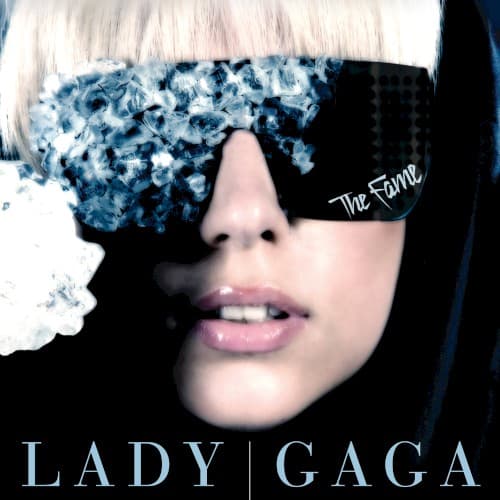
Stefani Joanna Angelina Germanotta transformed herself into Lady Gaga in the downtown New York club circuit of the mid-2000s, refining a persona that would eventually detonate across global pop culture with unprecedented force. Born in 1986 and raised on Manhattan's Upper West Side, she absorbed classical piano training, glam rock mythology, and the performative excess of drag culture into a singular artistic vision. By the time The Fame arrived in 2008, Gaga had already survived a false start with Def Jam, honed her songwriting chops penning tracks for Britney Spears and the Pussycat Dolls, and cultivated a aesthetic philosophy that treated pop stardom itself as high art.
What distinguished Gaga from the crowded late-2000s pop landscape was her refusal to separate music from spectacle. Every public appearance became theatre, every interview a conceptual performance, every music video a statement on fame, identity, and the manufactured nature of celebrity. This wasn't empty provocation—it was a coherent artistic project executed with relentless discipline. The Fame and its reissue The Fame Monster established the blueprint: hooks designed for maximum radio penetration wrapped in imagery that challenged conservative America's comfort zones. Within two years, she had redefined what mainstream pop stardom could look like.
Her influence extends beyond chart dominance into cultural terrain few pop stars successfully navigate. Gaga became a legitimate LGBTQ+ advocate before corporate Pride marketing became standard practice, used her platform to address mental health stigma, and transitioned into serious acting without abandoning her musical identity. She has accumulated Grammys, an Oscar, a Golden Globe, and critical respect across multiple disciplines while maintaining commercial relevance across three distinct eras of pop production trends.
Sonic Architecture: How Gaga Built Her Dance-Pop Cathedral
Lady Gaga's early sonic identity emerged from the collision between European electro-house production and American pop songcraft. Working primarily with RedOne during her imperial phase, she constructed tracks around propulsive four-on-the-floor beats, sawtooth synth lines, and hooks engineered for both club systems and top-forty radio. The Fame demonstrated this balance perfectly—songs like "Just Dance" and "Poker Face" featured minimal verses that built tension before exploding into choruses designed for mass singalongs. Her vocal approach during this period favoured processed delivery, strategic pitch manipulation, and rhythmic phrasing that locked into the beat rather than floating above it.
Beneath the electronic sheen lived a songwriter trained in traditional piano-based composition. Gaga's melodic instincts reveal classical training filtered through Elton John's theatrical maximalism and Queen's operatic grandeur. She constructs verse melodies that create space, bridge sections that escalate emotional stakes, and choruses that deliver cathartic release. Her lyrics oscillate between surface-level club hedonism and coded commentary on fame's psychological cost, creating songs that function both as escapist anthems and darker meditations on celebrity culture.
Her production partnerships evolved strategically across her discography. The Fame Monster introduced darker electronic textures while maintaining pop accessibility. Born This Way embraced stadium-rock bombast and Eurodance maximalism, sometimes to overwhelming effect. ARTPOP pushed into experimental EDM territory that alienated some mainstream listeners. Joanne stripped back to organic instrumentation and Americana influences, while Chromatica returned to the dance-pop foundation with contemporary house and nu-disco production. Throughout these shifts, her voice remained the constant—capable of breathy intimacy, belted power, and the kind of controlled distortion that conveys emotional rawness without sacrificing pitch precision.
Trajectory of Reinvention: Mapping Gaga's Three Distinct Eras
Lady Gaga's breakthrough followed an unconventional path for a future pop monarch. After Def Jam dropped her in 2006 following a brief development deal, she returned to New York's Lower East Side club scene, performing in dive bars and burlesque venues while developing the theatrical persona that would become her trademark. Akon discovered her songwriting abilities and signed her to his KonLive label, initially positioning her as a writer-for-hire. Her work on New Kids on the Block and Pussycat Dolls tracks demonstrated commercial instincts, but Gaga wanted the spotlight herself. The Fame emerged from sessions with RedOne in 2008, and its lead single "Just Dance" became an unexpected sleeper hit, climbing charts throughout late 2008 before conquering global radio in early 2009.
The Fame Monster reissue in 2009 represented her creative peak as a pure pop entity. "Bad Romance" became not just a hit but a cultural event—its music video accumulated hundreds of millions of views and established a visual language other pop stars would spend the next decade imitating. "Telephone" with Beyoncé, "Alejandro," and "Speechless" showcased her range within the dance-pop framework. By 2010, she had become the most discussed pop star on the planet, her meat dress at the MTV VMAs generating more headlines than the actual awards. The Fame era established her commercial viability; The Fame Monster proved she could sustain artistic and conceptual ambition within mainstream pop infrastructure.
Born This Way arrived in 2011 amid impossible expectations and delivered both her biggest commercial triumph and first significant critical division. The album debuted with over one million copies sold in its first week, driven by a title track that became an LGBTQ+ anthem despite its sonic debt to Madonna's "Express Yourself." The record's maximalist production and earnest messaging represented Gaga at her most uncompromising and least subtle. Songs like "Judas," "The Edge of Glory," and "Marry the Night" showcased her ambition, but the album's overstuffed tracklist and bombastic production choices left some critics questioning whether more discipline might serve her vision better. Commercially, it cemented her status as a genuine arena headliner capable of sustaining a two-year global tour.
ARTPOP in 2013 marked her first significant stumble. Positioned as her most experimental statement, the album featured production from Zedd, Madeon, and DJ White Shadow, pushing into EDM and art-pop territory that proved too abrasive for some mainstream listeners. Lead single "Applause" underperformed relative to expectations, and while "Do What U Want" with R. Kelly generated controversy (later becoming a liability she'd distance herself from), the album lacked the cohesive vision of her previous work. Behind the scenes, her longtime manager Troy Carter departed, and rumors circulated about creative conflicts and commercial pressure. ARTPOP wasn't a commercial disaster, but it represented the first time Gaga's artistic ambitions outpaced public appetite, forcing a strategic recalibration.
The Joanne era beginning in 2016 presented a calculated reinvention. Stripping away electronic production for organic instrumentation, collaborating with Mark Ronson and Kevin Parker, and mining her family history for lyrical content, Gaga attempted to reintroduce herself as a serious songwriter beyond the spectacle. "Million Reasons" became a substantial hit, and her 2017 Super Bowl halftime performance reminded the industry of her pure performance abilities. But it was her 2018 role in A Star Is Born that truly transformed her public perception. "Shallow" became a global phenomenon, earned her an Oscar, and introduced Gaga to audiences who had dismissed her pop work as frivolous. The film proved she could act, and her chemistry with Bradley Cooper generated tabloid fascination that exceeded anything her music videos had previously achieved.
Chromatica in 2020 represented a return to her dance-pop foundation with newfound maturity. Collaborating with BloodPop and Tchami, she delivered an album about healing through dance music, with tracks like "Rain on Me" with Ariana Grande and "911" showcasing sophisticated production and deeply personal lyrics about mental health struggles. Released during pandemic lockdowns, it provided escapism during collective trauma while addressing individual pain—a balance Gaga had been working toward throughout her career. The album reaffirmed her commercial viability in the streaming era and demonstrated that her core artistic identity remained rooted in the electronic pop that launched her fame.
Cultural Footprint: How Gaga Redrew Pop's Boundaries
Lady Gaga's primary legacy lies in expanding what mainstream pop stardom could encompass. Before her ascent, pop stars generally separated their provocative imagery from their musical output, maintaining plausible deniability about artistic intent. Gaga obliterated that boundary, insisting that her costumes, videos, and public appearances constituted artistic statements as valid as her songs. This approach influenced an entire generation of pop performers who now treat visual presentation and conceptual framing as integral to their musical projects. Artists like Charli XCX, Billie Eilish, and Rina Sawayama operate in a pop landscape Gaga helped create—one where experimental presentation enhances rather than undermines commercial viability.
Her advocacy for LGBTQ+ rights shifted pop's relationship with queer culture from appropriation to genuine allyship. Born This Way became an anthem not through vague messaging but explicit championing of queer and trans acceptance at a time when such positions still carried mainstream risk. She leveraged her massive platform to lobby for policy changes, spoke openly about her own bisexuality, and centered queer collaborators and fans in her artistic vision. This wasn't performative—it was consistent, sustained, and politically engaged in ways few pop stars of her commercial magnitude have attempted. Her impact on LGBTQ+ youth culture is measurable in both representation and tangible policy advocacy.
Gaga also pioneered pop's current era of transparent mental health discussion. Long before it became industry standard, she spoke candidly about trauma, PTSD, fibromyalgia, and depression. Her Born This Way Foundation focused on youth mental health and wellness, providing institutional infrastructure beyond celebrity endorsement. Chromatica's unflinching examination of therapy, medication, and psychological recovery in a mainstream pop album format broke ground that subsequent artists have built upon. She demonstrated that vulnerability and spectacle aren't contradictory—that pop's artifice can communicate genuine emotional truth.
Her musical influence operates on multiple levels. The Fame's synth-pop production template dominated radio for years, with countless artists chasing the RedOne sound. Her approach to the pop album as conceptual statement rather than singles collection encouraged artistic ambition in a format many considered commercially obsolete. And her seamless transition into film and jazz standards—evidenced by her Tony Bennett collaborations—proved that pop stardom need not limit artistic range. At her best, Lady Gaga embodies pop as a serious art form deserving critical respect while delivering the mass entertainment that defines the genre's democratic appeal.