The scorecard
7.7/10 · Great
- Songwriting25%
- 8.0
- Production25%
- 8.5
- Performance15%
- 7.0
- Cohesion15%
- 6.5
- Originality10%
- 7.5
- Replay value10%
- 8.0
Poker Face and Paparazzi build verses into stadium-ready choruses without wasting a bar, while LoveGame proves that a hook as simple as disco stick can work across a full track when the melody commits.
RedOne builds the singles on sawing synths and clipped marching beats that still sound immediate, with each element sitting cleanly in a mix designed for club systems, though the ballad and hip-hop experiments expose the template's limits.
Gaga balances robotic cool on Poker Face with theatrical excess on Paparazzi, selling the hedonism convincingly, but the auto-tune on Starstruck and Paper Gangsta flattens her range and the ballad delivery on Brown Eyes reaches for Queen-level drama it cannot quite sustain.
The Fame runs fourteen tracks and fifty minutes when the singles exhaust their thrills by track seven, then shifts into half-rap on Paper Gangsta and piano balladry on Brown Eyes without the craft to earn the detours, making the second half a slog.
The Fame synthesizes 1980s electropop, Blondie energy, and David Bowie glam into a sound that felt fresh in 2008's EDM-lite landscape, pushing actual club production into the mainstream before Calvin Harris and the DJ crossover era codified it.
The four singles hold up as club and radio benchmarks fifteen years later, with production that aged better than most late-2000s dance-pop, though the album cuts lose their appeal quickly once the novelty of the concept wears off.
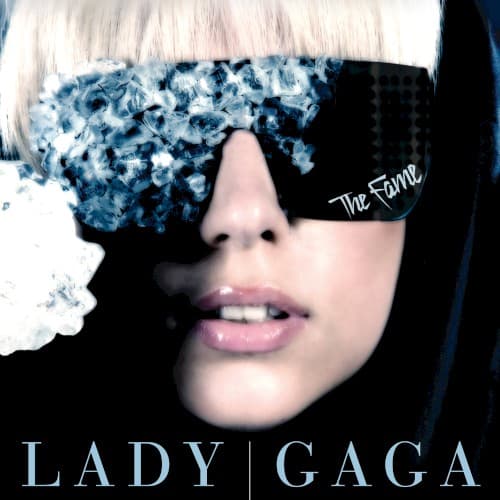
Lady Gaga The Fame — When the Club Single Became the Album Template
The Fame is four singles so durable that radio still plays them in heavy rotation fifteen years later, surrounded by ten tracks that exist to justify the runtime. Lady Gaga's debut sold fifteen million copies worldwide and topped charts in eight countries by doing one thing ruthlessly well: building electropop hooks designed for the moment when the DJ drops the chorus and the floor moves as a single body. RedOne's production template — marching beat, sawing synth, robotic vocal, massive lift — powers six of the first seven tracks and delivers the most airtight run of club bangers any pop debut has managed since Kylie Minogue's Fever.
The album's conceptual framework, fame as participatory hedonism anyone can access through the right playlist, turns out to be a manifesto for the streaming era a decade early. The problem is that The Fame confuses a great EP with a complete album, stretching fifty minutes from material that peaks at thirty and padding the back half with hip-hop experiments and piano ballads that expose how narrow the production palette actually is. Gaga's label wanted to release a sixth single to prolong the campaign; she refused and wrote The Fame Monster instead, which tells you everything about how quickly she understood the limits of this record. The Fame belongs in the canon for changing what club music could do on the pop charts, but it works best as a singles collection that happens to have an album attached.
Four Singles and Ten Experiments in How Far One Template Can Stretch
The Fame succeeds because RedOne understood that the club track and the pop single had become the same format by 2008, and he built an entire album around the space where those two functions overlap. The four biggest singles all share the same architecture: a clipped four-on-the-floor beat, a sawtooth synth bassline that sits in the low-mid range without overwhelming the vocal, and a chorus that delivers the hook in two or three repetitions before cutting back to the verse. The production is clean enough for top-40 radio and hard enough for a nightclub, with every element sitting in its own frequency band so that nothing bleeds into the vocal.
The lead single is the template at its most refined, with the dark verses giving the bright chorus somewhere to climb and the robotic mum-mum-mum-mah hook offering a wordless climax that works in any language. The second single pushes the tempo slightly higher and makes the disco stick hook the entire reason for the track to exist, which works because the verse melody is strong enough to earn the payoff. The opener begins the album with the synth riff and the drunk-at-the-party lyric doing equal work, and the track holds together because Gaga sings it straight rather than winking at the listener. RedOne deserves co-writing credit on the sound of late-2000s pop: his productions here predate the Calvin Harris and David Guetta singles that would dominate 2010-2012, and they still sound more focused than most of the imitators.
The problem is that RedOne's template works for singles, not for album sequencing, and The Fame has no answer for what to do when the same groove appears six times in the first half-hour. The title track tries to add guitar riffs in a David Bowie style, but the Bowie influence is cosmetic—the underlying beat and synth work are identical to the tracks around it. The Mötley Crüe homage borrows the title and adds some rock attitude to the lyric, but the production is pure RedOne without the variation in tempo or texture that would make it feel like a gear shift. By the time track eleven arrives, the auto-tuned half-rap over the same marching beat sounds like a producer running out of ideas rather than a deliberate stylistic choice. The Flo Rida collaboration, which also features auto-tune and adds guest verses from Space Cowboy, works slightly better because the bass-heavy R&B groove at least offers a different rhythmic feel, but the track still cannot escape the sense that Gaga and her producers built the album by plugging different lyrics into the same backing track. The sequencing makes this worse: after seven straight club bangers, the album has no momentum left, and the final seven tracks feel like they were assembled to reach a standard album length rather than because they add something necessary.
The experiments outside the RedOne template mostly fail. The piano ballad aims for Queen-level drama in the melody and the vocal performance, but Gaga's delivery does not have the control or the emotional depth to sell the theatrics, and the result sounds like a highlight piece included to prove range rather than because the song earns its place. The Martin Kierszenbaum production slows the tempo into bubblegum pop with a 1980s synth-pop feel, and the lighter groove would work as a breather if it were placed after three or four club tracks instead of arriving at the moment when the album is trying to build intensity.
The Blondie-influenced closer has the right breezy energy for a final track, but it arrives after the hip-hop experiment and the piano ballad have already killed the pacing, so it feels like an afterthought. The album-only cuts that do work succeed because they stay within the club framework and deliver strong enough hooks to justify their existence, but neither track is essential in the way the singles are. The Fame is a debut that needed a ruthless editor: cut five tracks, tighten the runtime to thirty-five minutes, and this would be a classic. At fifty minutes, it is a singles album with a bloated second half.
How the Album Runs Out of Gas Halfway Through
The Fame front-loads the four singles into the first eight tracks, which means the album peaks at track eight and then coasts on fumes for the final twenty minutes. The sequencing is designed for the deluxe edition reissue that would pair The Fame with The Fame Monster: if you treat the first seven tracks as the core album, the pacing works, because the midpoint provides a sultry breather between the harder club tracks and the title cut offers a thematic thesis statement before the back half. But the standard edition does not have that luxury, and the album suffers for it. The first stretch could appear in almost any order and the momentum would hold, because those tracks are all built to the same standard and they all deliver on the same promise. The problem is that after the opening run, the listener has heard everything the RedOne production style has to offer, and the remaining tracks either repeat the formula with weaker hooks or abandon it for ideas that do not pay off.
The back half has no clear arc. Two tracks experiment with hip-hop and R&B, but they are separated by filler and neither one commits fully enough to the genre shift to justify the detour. The piano moment arrives at track twelve, which would work as a penultimate moment of vulnerability if the album had been building toward it, but instead it just stops the momentum dead and forces the listener to sit through four minutes of dramatic singing that the album has not earned. The closer finishes the record with a retro bounce, but it feels like a leftover from a different project rather than a deliberate ending. The Fame would have been a tighter and more durable album if it had ended after track seven, included two uptempo cuts as bonus material, and left the rest for B-sides. Instead, it mistakes length for ambition and exhausts its strongest ideas in half the runtime.
A Singles Collection That Redefined Pop Radio and Then Overstayed Its Welcome
The Fame ranks as one of the most influential pop debuts of the 21st century because it proved that club production could power an entire album campaign without softening the sound for radio, but it also proves that a great production template does not make a great album unless the songs are strong enough to sustain it. The first eight tracks are essential: Just Dance, Poker Face, LoveGame and Paparazzi all belong on any comprehensive playlist of late-2000s pop, and they have aged better than almost anything else from the recession-pop era because RedOne's production was cleaner and harder than the EDM-lite that followed. The Fame is the album to play if you want to understand how dance-pop moved from the club to the mainstream between 2008 and 2012, and it remains the most important debut in the lineage that runs from Kylie Minogue's Fever through Robyn's Body Talk to Dua Lipa's Future Nostalgia. The back half is skippable unless you are a completist: Brown Eyes and Paper Gangsta add nothing, and even the stronger album cuts like I Like It Rough and Summerboy feel like filler once the singles have done their work.
This album is for anyone building a dance-pop collection, anyone studying how the 2008-2012 pop scene was built, and anyone who wants to hear four of the most durable club singles of the 21st century in their original sequence. Skip it if you are looking for a cohesive album experience or if ballads and genre experiments matter more to you than hooks. Gaga would refine the concept with The Fame Monster, which delivered eight tracks of higher craft and no filler, making this debut feel even more like a rough draft. The Fame is a five-star singles collection stretched into a three-star album, and it belongs in your library for the singles alone. Start with Poker Face and Just Dance, add LoveGame and Paparazzi, and then decide whether the deep cuts are worth your time. If you want to hear where this sound leads, play The Fame Monster next, then Robyn's Body Talk to hear the template with better sequencing and no filler.
Track by track
Track Listing
Just Dance
StandoutThe album opens with its thesis statement: a synth-pop club track built on a sawtooth bassline and a four-on-the-floor beat, with Gaga singing about being too drunk at a party to see straight. The production is clean and immediate, with every element sitting in its own space in the mix and the chorus delivering the title hook in two repetitions before cutting back to the verse. RedOne's arrangement is ruthlessly efficient—no wasted bars, no unnecessary fills, just the hook and the beat working in lockstep. Colby O'Donis provides a guest verse that adds a second voice without disrupting the flow, and the track holds together because Gaga sings it straight rather than trying to sell the irony. This is the template at its most effective: a club banger that works on pop radio without softening the production or slowing the tempo. The song topped the charts in six countries and spent three weeks at number one in the US, and it still sounds as immediate as it did in 2008 because the production aged better than most late-2000s dance-pop.
LoveGame
StandoutThe second single pushes the tempo slightly higher and makes the entire track about the disco stick hook, which Gaga has said she wrote in four minutes based on that one phrase. The production is pure RedOne: clipped marching beat, sawing synth bassline, robotic vocal processing on the verses and a bright lift on the chorus. The song works because the verse melody is strong enough to earn the payoff, and because Gaga commits fully to the sexual innuendo without winking at the listener. The track is less refined than Poker Face—the verses feel thin and the hook is more repetitive—but it succeeds as a club single because the tempo and the bassline carry the energy even when the lyric is doing nothing. LoveGame reached the top ten in the US, Australia and Canada, and it remains one of the album's most durable tracks because the production template is still sharp enough to work on a dancefloor fifteen years later.
Paparazzi
StandoutThe third single slows the tempo into a sultry midpoint breather, with a chorus that builds into a stadium-ready climax and verses that give Gaga room to sell the theatrics. The lyric is about fame and obsession, and the production supports the concept by adding more dynamic range than the tracks around it: the verses are darker and more restrained, and the chorus lifts into a bright hook that earns its size. Gaga's vocal performance is more controlled here than on the previous two tracks, and the song benefits from the extra space in the arrangement. Paparazzi is the album's most complete track, with songwriting, production and performance all working at the same level, and it holds up as the most memorable single from the campaign. The music video, shot as a mini-movie about a doomed starlet, became one of Gaga's defining moments and helped establish the theatrical persona that would carry the next album. Paparazzi reached the top five in Australia, Canada, Ireland and the UK, and it remains the track most likely to pull casual listeners into the album.
Poker Face
StandoutThe second single and the album's commercial peak, Poker Face is the RedOne template at its most refined. The verses are darker and more restrained than anything else on the album, with robotic vocal processing that gives Gaga room to build intensity, and the chorus delivers the mum-mum-mum-mah hook in a bright, wordless climax that works in any language. The production is immaculate: every element sits cleanly in the mix, the bassline drives the groove without overwhelming the vocal, and the arrangement gives the chorus somewhere to climb by keeping the verses stripped down. The lyric is about bisexuality and poker faces during sex, which Gaga has explained refers to fantasizing about women while having sex with men, but the song works as a pure pop hook even if the listener never engages with the subtext. Poker Face topped the charts in nearly every country where it was released, spent 29 weeks in the top ten on the Billboard Hot 100, and won the Grammy for Best Dance Recording. It is the album's defining single and the track most responsible for the campaign's commercial success, and it still sounds as sharp as it did in 2008 because the production has no unnecessary elements to age poorly.
Eh, Eh (Nothing Else I Can Say)
WeakThe album's first real misstep, a bubblegum-pop track produced by Martin Kierszenbaum that slows the tempo and adds a 1980s synth-pop feel. The lighter groove would work as a breather if it were placed after three or four club tracks, but it arrives at track five, just as the album is trying to build momentum, and it kills the pacing. The lyric is about breaking up with a boyfriend and finding someone new, which is fine as a concept, but the song has no hook strong enough to justify the detour from the club template. Eh, Eh was released as a single in Australia, New Zealand, Sweden and Denmark, where it reached number 15, 9, 2 and 7 respectively, but it failed to match the success of the previous singles and it remains one of the album's weakest moments.
Beautiful, Dirty, Rich
StandoutA solid album cut that stays within the club framework and delivers a strong enough hook to justify its place. The production is by Rob Fusari rather than RedOne, and the track has a slightly different feel—less sawing synth, more percussion in the verses—but it still fits the album's sound. The lyric is about Gaga's time in New York's Lower East Side party scene, and the song works because it commits to the hedonism without trying to add depth. Beautiful, Dirty, Rich was initially announced as the second single, but the label chose Poker Face instead and released this as a promotional single only. The track charted at number 83 in the UK from digital downloads, and it remains a highlight among the album cuts because it delivers on the same promise as the singles without overstaying its welcome.
The Fame
SolidThe title track and the album's thematic thesis statement, with guitar riffs that aim for David Bowie style and a lyric that describes fame as participatory hedonism anyone can access. The production is by Martin Kierszenbaum, and the track tries to add some glam-rock energy to the club template, but the Bowie influence is cosmetic—the underlying beat and synth work are identical to the RedOne tracks around it. The Fame works as a concept piece because the lyric is specific about what the album is trying to do, but it does not work as a standout track because the hook is weaker than the singles and the production does not commit fully to the genre shift. The song charted in several countries as an album track, but it was never released as a single, and it functions better as a statement of intent than as a song you would return to on its own.
Money Honey
StandoutThe last strong club track on the album, with a moderate techno groove and a hook about wanting a man with money. The production is by RedOne, and the track follows the same template as the first four singles—clipped beat, sawing synth, robotic vocal—but the hook is slightly weaker and the verses feel thinner. Money Honey works because it arrives at the right moment in the sequence, just before the album starts to sag, and because the tempo keeps the energy high. The song was used in an episode of Gossip Girl, and it charted in several countries as an album track, but it was never released as a single. Money Honey is the last track on The Fame that feels essential; everything after this is either filler or an experiment that does not pay off.
Starstruck
SolidA bass-heavy R&B track with guest verses from Space Cowboy and Flo Rida, and auto-tuned vocals from Gaga. The production offers a different rhythmic feel from the RedOne tracks, with more low-end and a slower groove, but the song suffers from the auto-tune, which flattens Gaga's voice and makes the track sound like a trend-chasing move rather than a deliberate stylistic choice. The hook is decent, but the verses are weak, and the guest features add nothing. Starstruck was released as a single in some territories and charted modestly, but it remains one of the album's most skippable tracks.
Boys Boys Boys
SolidA Mötley Crüe homage that borrows the structure of Girls, Girls, Girls and flips the gender, with Gaga singing about wanting boys over a RedOne production. The track has some rock attitude in the lyric, but the production is identical to the other club tracks—same clipped beat, same sawing synth, same robotic vocal—and by this point in the album the template has run out of surprises. Boys Boys Boys works as a single-worthy hook, and Gaga's label wanted to release it to prolong the campaign, but the song adds nothing new and it feels like filler in the context of the full album.
Paper Gangsta
WeakA hip-hop experiment with auto-tuned half-rap and half-sung verses, produced by RedOne. The track tries to add some urban credibility to the album, but the auto-tune flattens Gaga's delivery and the hook is weak. By track eleven, the RedOne template has been exhausted, and Paper Gangsta sounds like a producer running out of ideas rather than a deliberate stylistic shift. The song was never released as a single, and it remains one of the album's most skippable tracks.
Brown Eyes
WeakA piano ballad that aims for Queen-level drama in the melody and the vocal performance, but Gaga's delivery does not have the control or the emotional depth to sell the theatrics. The lyric is a breakup song, but instead of expressing tenderness, Gaga delivers it with a raw, almost defiant tone, which works against the ballad structure. Brown Eyes is the album's most vulnerable track, but it arrives at track twelve after the pacing has already collapsed, and it feels like a showcase piece included to prove range rather than because the song earns its place. The track was never released as a single, and it remains one of the album's weakest moments.
I Like It Rough
SolidA solid album cut produced by Martin Kierszenbaum, with a hook about rough sex and a groove that stays within the club framework. The track works because it delivers on the same promise as the singles without trying to add unnecessary depth, and the production has enough energy to carry the weaker lyric. I Like It Rough was never released as a single, but it functions as a decent deep cut for listeners who want more of the club sound after the singles are exhausted.
Summerboy
SolidA Blondie-influenced closing track with a breezy, uptempo groove and a lyric about a summer fling. The production is by Brian and Josh, and the track has a lighter feel than the RedOne singles, with more live instrumentation and less synth work. Summerboy would work as a palate cleanser if it were placed earlier in the album, but it arrives after Paper Gangsta and Brown Eyes have already killed the momentum, and it feels like an afterthought rather than a deliberate ending. The song was never released as a single, and it remains a minor album cut that adds little to the overall experience.