Style & Context
Influences
Helmut Newton, Patrick Demarchelier, Vogue editorial aesthetic, Andy Warhol celebrity portraits
Location
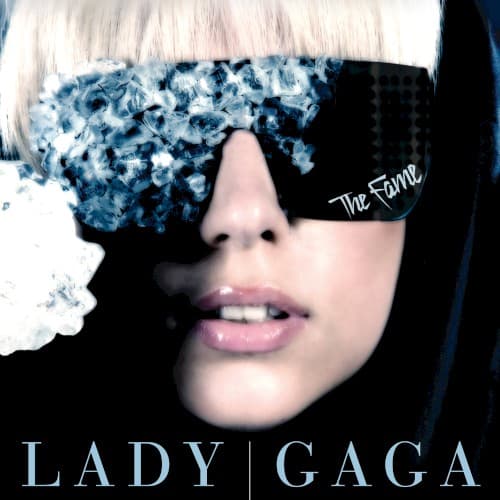
Shot in clinical white space, the image rejects MySpace-era authenticity for the curated self-presentation dominating 2008.
Visual Language
The severe lighting and minimal composition borrow from high fashion photography's visual language to elevate pop.
Symbols
Branded sunglasses
The Fame logo on the frames transforms her face into walking advertisement, predicting influencer culture's self-commodification.
Obscured eyes
Hidden eyes signal the death of authenticity in pop, where persona construction matters more than identity.
Platinum blonde hair
The processed hair color connects her to Madonna, Marilyn, and pop's tradition of manufactured blonde bombshells.
Where Sound Meets Image
The clinical white void mirrors the album's polished synth production, where organic instruments rarely intrude on the programmed beats. The obscured face reflects songs about fame's dehumanizing effects and the performance of celebrity. The disco ball sequins visually translate the album's four-on-the-floor beats and mirror ball romanticism, while the branded sunglasses embody tracks about money, fashion, and pop stardom as the ultimate aspiration.
This cover established the template for Gaga's visual strategy of using fashion and prosthetics to obscure her actual features, a approach she'd amplify with meat dresses and egg entrances. The minimalist white background influenced subsequent pop covers that isolated artists against blank space, from Drake to Ariana Grande. The branded accessory concept predicted how pop stars would turn themselves into fashion labels and merchandise empires.