The scorecard
8.1/10 · Great
- Songwriting25%
- 8.5
- Production25%
- 9.0
- Performance15%
- 7.5
- Cohesion15%
- 7.0
- Originality10%
- 7.5
- Replay value10%
- 8.0
Choruses built on clever inversions and subtext rather than just big feelings, though the ballads lean on unearned metaphors.
Immaculately constructed synth-pop that knows when to pull back the arrangement and let a bass synth or hand clap do the work.
Vocals trade the expressive ache of earlier records for cool remove that works on half the songs and feels mannered on the rest.
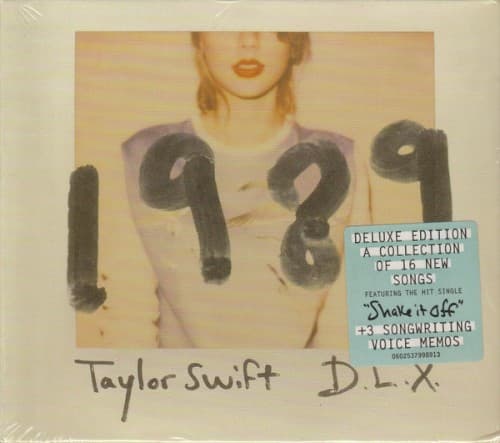
Nineteen tracks including three alternate versions that break the album's momentum and expose the difference between a sequenced album and an expanded edition.
A sharp pivot from country-pop to pure synth-pop, executed with more craft than most genre jumps, though the sound itself is studied reverence for eighties radio.
The singles hold up years later because the hooks are structural, not just catchy, and the production tricks still surprise on repeat listens.
Taylor Swift 1989 — The Subtext Album That Ditched the Guitars
This album works because the best songs say the opposite of what they appear to say. The thesis of the standard version is that Swift could write synth-pop hooks as sturdy as her country-pop ones and that the switch would cost her nothing in craft. The deluxe edition, padded to nineteen tracks with three stripped-down alternate takes and three vault songs, proves the thesis and then undermines it by showing exactly how much the production was doing.
The core of the record is a set of songs about romantic chaos delivered in the studied calm of eighties pop radio: gated drums, bass synths that stay in the pocket, and vocals that never crack. The trick is that the lyrics operate on two levels. The surface is the big feeling; the subtext is the speaker watching herself have the feeling and finding it absurd. That split works when the production is as controlled as the narrator pretends to be. Strip the synths away, as the three bonus alternate versions do, and the songs reveal how much they depend on the arrangement to sell the irony. The deluxe format turns a good album into a cluttered one by breaking its own illusion.
The standard thirteen tracks would have been a clean genre switch executed with more care than most pop reinventions, including Lady Gaga's electropop debut. Swift and her collaborators built these songs with the same attention to chorus lift and melodic payoff that made her country-pop records work, then dressed them in synth presets and drum machines that sound like studied reverence for the eighties rather than actual eighties production. The result is an album that earns its argument about half the time and coasts on sheen the other half.
Hooks Built on Ironic Distance Instead of Earnestness
The songwriting here is built on inversion. The narrator describes romantic chaos in the calm language of someone who has already processed it, or pretends to be unaffected while the melodic line gives her away. That structure makes the best songs feel smarter than they are and makes the weaker ones feel like writing exercises. The hooks that work are the ones where the contradiction is baked into the chorus itself.
The central track about romantic obsession disguised as casual dating builds its hook on the gap between the deadpan delivery and the unhinged lyric, a trick that Sabrina Carpenter would later use to similar effect. The falsetto-driven song about a doomed relationship uses the production's calm to underline the lyric's panic. When the structure is a verse that sets up a problem and a chorus that flips it, the song works. When the structure is just a metaphor extended for three minutes, it sags.
The production is more consistent than the writing. The arrangements are immaculate and know when to pull back. The song about the first night in the city uses hand claps and a bass synth and nothing else in the verses, so the chorus lift comes from addition rather than volume. The single about shaking off criticism builds its hook on a bass line and a saxophone stab, both mixed low enough that the vocal stays in front.
The dream-pop ballad about a fleeting romance uses a synth pad that swells and recedes like breathing. The production tricks are subtle and they survive repeated listens because they serve the song rather than announcing themselves. The sound is clearly modeled on eighties pop radio, but the reference points are the records that used space well, not the ones that filled every bar, unlike the maximalist approach taken by Charli xcx decades later.
The weaker half of the album is where the metaphor does the work the hook should do. The closing song about getting sober from a relationship extends the metaphor for four minutes without a melodic idea strong enough to carry it. The mid-tempo track about hiding from public scrutiny has a nice pre-chorus lift but the chorus itself is just the title repeated. The song about a relationship that exists only in private has a strong verse melody and a chorus that goes nowhere.
These are not bad songs, but they are not built to last, and the production cannot rescue a hook that is not there. The vocals throughout are controlled to the point of being mannered. Swift sings in a higher, thinner register than on earlier albums, with less vibrato and less dynamic range, and the effect is a performance that sounds like someone performing calm rather than feeling it. It works on the songs where the narrator is lying to herself. It feels like a missed opportunity on the ballads, where a crack in the voice would have sold the emotion better than the studied remove.
An Album That Peaks in the First Half and Then Coasts
The sequencing is front-loaded. The first six tracks include the three singles that defined the album and the three songs that should have been singles, and the pacing between them is tight. The opening track is a throwaway, but the second track delivers the thesis, the third track delivers the sound, and the fourth track delivers the chaos.
By the time the fifth track arrives with its crushing hook about a lover who didn't come back, the album has made its case. The sixth track, the inescapable single about ignoring criticism, is the peak and the problem. It is the biggest hook on the record and the least representative of what the album does well. After it, the energy sags.
The back half has two strong songs and five that feel like filler. The dream-pop ballad and the paranoid mid-tempo track about hiding both work, but they are separated by three songs that don't earn their length. The standard edition closer is a fine song that suffers from being the thirteenth track when the album already feels long. The three deluxe vault songs are solid but not essential, and the three alternate versions are a mistake.
Hearing the ironic pop songs stripped down to piano or guitar makes them sound exactly like the country-pop songs Swift was trying to leave behind, and the effect is to expose how much the synth production was doing to sell the new sound. The deluxe edition turns a tight eleven-track album that could have been great into a nineteen-track slog that proves the point and then undermines it.
A Successful Genre Switch That Didn't Need the Deluxe Padding
This is the second-best album in the catalog among the ones rated here, behind the more cohesive and emotionally direct folk record from six years later. The standard thirteen tracks make a strong case that Swift could write synth-pop hooks that work on the same structural level as her country-pop ones, and the production is sharp enough to hold up on repeated listens. The deluxe edition adds six tracks that dilute the argument and expose the seams. The three alternate versions in particular are a miscalculation, because they make the songs sound like country ballads with the wrong arrangement rather than actual synth-pop.
This album is for listeners who want hooks built on subtext rather than just big feelings, and for anyone interested in how a well-executed genre switch works. Skip it if you want emotional directness or if you think nineteen tracks is too long for any album, because it is. The original thirteen would have been the right length.
Start with the second track, the third track, and the fifth track, which are the three songs where the writing and production are equally strong. The dream-pop ballad in the back half is worth hearing, but the rest of the second half is skippable. If you want to hear what this artist sounds like when the production serves the emotion instead of creating ironic distance, go to the folk album next. If you want to hear more synth-pop built on clever inversions, there isn't a clear next step in this catalog, because this is the only album that does this specific thing.
Track by track
Track Listing
Welcome to New York
SolidA weightless opener that sets the synth-pop palette and then does nothing with it. The verses are just the title concept stretched thin over a bass line, and the chorus is the same two notes repeated. It works as an intro because it establishes the sound, but it has no hook and no reason to exist as a full song.
Blank Space
StandoutThe thesis of the album in four minutes: a song about romantic chaos delivered in the deadpan voice of someone who has already processed it and found it funny. The verses set up the narrator as self-aware and slightly unhinged, and the chorus flips the expected earnestness into irony. The hook is built on the gap between the calm delivery and the absurd lyric, and the production stays out of the way. The pre-chorus lift is perfectly placed, the bass synth in the second chorus adds just enough, and the bridge earns its release. This is the best-written song on the record because the structure and the subtext are the same thing.
Style
StandoutA masterclass in synth-pop restraint. The verses are almost a cappella, just a bass pulse and hand claps, so the chorus lift comes from addition rather than volume. The hook is a simple melodic phrase repeated with slight variations, and it works because the production keeps adding layers underneath it without ever cluttering the mix. The falsetto in the bridge is a risk that pays off, and the fade-out is earned because the song has built enough momentum. This is the sound of the album working exactly as intended.
Out of the Woods
SolidThe chaos song, built on a relentless bass synth and a vocal that never settles. The verses are almost spoken, the pre-chorus is a climb, and the chorus is just the title repeated over and over with increasing desperation. The structure is repetitive to the point of being monotonous, but the monotony is the point: the song is about being stuck in a loop of anxiety. The production sells it by never giving the listener a place to rest. It works as a representation of romantic panic, but it is not a song you return to unless you are in that specific emotional state.
All You Had to Do Was Stay
StandoutThe most devastating hook on the album, built on a simple premise: the lover left and now wants to come back, and the narrator is too hurt to let them. The chorus is just the title sung in a high, strained voice, and the effect is crushing because the melody and the production both support the emotional weight. The verses are clean and understated, the pre-chorus builds perfectly, and the bridge adds a vocal stutter that sells the vulnerability. This is the song where the controlled vocal style works best, because the control is barely holding.
Shake It Off
SolidThe inescapable single, built on a bass line and a saxophone stab and a hook that is designed to be shouted in arenas. It is also the least representative song on the album, because it has no subtext and no irony. The verses are self-deprecating, the chorus is a directive, and the whole thing is as earnest as a pep talk. The production is immaculate and the hook is undeniable, but the song has nothing to do with the rest of the record. It works as a standalone single and it breaks the album's momentum.
I Wish You Would
SolidA solid mid-tempo track with a strong verse melody and a chorus that doesn't quite deliver. The production is built on a synth arpeggio that sounds like a car driving at night, and the verses use that to build tension. The chorus releases the tension but the hook itself is just the title repeated, and it doesn't have enough melodic movement to earn the release. The bridge is better than the chorus. This is a song that works as part of the album's flow but doesn't stand alone.
Bad Blood
WeakA monotonous mid-tempo track that mistakes repetition for intensity. The verses are built on a bass pulse and a vocal that stays in a narrow range, and the chorus is just the title repeated with no melodic variation. The production tries to add drama with drums and synth stabs, but the song has no hook and no dynamic range. This is filler.
Wildest Dreams
StandoutA dream-pop ballad that uses a swelling synth pad and a restrained vocal to create a sense of longing and inevitable loss. The verses are quiet and almost whispered, the chorus lifts just enough to feel like a release, and the bridge adds a string line that earns the emotion. The hook is simple and the production knows when to pull back. This is the best ballad on the album because the arrangement serves the lyric instead of overwhelming it.
How You Get the Girl
WeakA lightweight pop song with a bouncy rhythm and a hook that is too slight to carry the song. The verses describe the mechanics of apologizing, and the chorus is just the title delivered as advice. The production is clean and the melody is pleasant, but the song has no emotional weight and no reason to be four minutes long.
This Love
SolidA fragile ballad built on a simple guitar figure and a vocal that finally uses vibrato and dynamic range. The production is sparse and the melody is lovely, and the song would have been a highlight if it had arrived earlier in the sequence. By track eleven it feels like an afterthought, and the stripped-down arrangement makes it sound like a leftover from an earlier album.
I Know Places
SolidA paranoid mid-tempo track about hiding a relationship from public scrutiny. The verses are built on a skittering synth line and a vocal that sounds genuinely anxious, and the pre-chorus has a nice lift. The chorus itself is weak, just the title repeated over a drum pattern, and it doesn't have the melodic hook to match the verses. The song works as atmosphere but not as a standalone track.
Clean
WeakThe standard edition closer, a ballad about getting sober from a relationship. The metaphor is extended for four minutes and the song doesn't have a strong enough melody to carry it. The verses are fine, the chorus is just the title repeated, and the bridge tries to add drama but the song has already said everything it has to say. The production is tasteful and the vocal is controlled, but the song feels like an exercise in writing a closing track rather than an actual closing track.
Wonderland
WeakA vault track that uses an Alice in Wonderland metaphor to describe a chaotic relationship. The production is busy and the melody is cluttered, and the song tries to do too much in four minutes. The chorus has a nice lift but the verses are overstuffed with images, and the whole thing feels like it was left off the standard edition for good reason.
You Are in Love
StandoutA quiet, observational song about watching a functional relationship from the outside. The production is sparse, just a guitar and a synth pad, and the vocal is understated. The verses list small moments of intimacy, and the chorus is just the title delivered as a realization. It is a lovely song and it would have worked better earlier in the sequence, but by track fifteen it feels like the album is winding down rather than building to something.
New Romantics
StandoutThe best vault track, a bright synth-pop song with a strong chorus and a sense of momentum that the back half of the album needed. The verses are self-aware and slightly bitter, the chorus is a release, and the production has more energy than anything since the sixth track. This should have been on the standard edition, because it earns its length and it has a hook that sticks.
I Know Places (piano/vocal)
WeakA stripped-down version that exposes the song's weak chorus and makes it sound like a country ballad with the wrong lyrics.
I Wish You Would (track/vocal)
WeakA version with just the backing track and vocal that proves how much the full production was doing to fill the gaps in the melody.
Blank Space (guitar/vocal)
WeakA guitar version that makes the album's best song sound like it belongs on a different record entirely, undermining the whole point of the synth-pop reinvention.