The scorecard
9.0/10 · Essential
- Songwriting25%
- 9.0
- Production25%
- 9.5
- Performance15%
- 9.0
- Cohesion15%
- 8.5
- Originality10%
- 9.0
- Replay value10%
- 8.5
Jóga and Bachelorette build choruses that lift without leaning on repetition, and Unravel constructs verse melody with the kind of restraint that makes the final turn ache.
Mark Bell's stuttering beats and the Icelandic String Octet's arrangements fuse into a single sound where you cannot pull the electronics from the strings, and Pluto proves the mix can hold a scream without breaking.
Björk moves from the choir-man speak-sing of Unravel to the raw scream of Pluto without the character fracturing, and every syllable in Jóga sounds like it is being pulled from her chest.
The sequencing earns its arc from Hunter to All Is Full of Love, but the back half sags when Alarm Call interrupts the momentum built by Immature.
The fusion of IDM beats and string octet was unprecedented in 1997, and the album's achievement is making that combination sound inevitable rather than experimental.
Jóga, Unravel and Bachelorette deepen on repeat, though the relentless intensity of the middle stretch makes the full album a considered listen rather than a casual one.
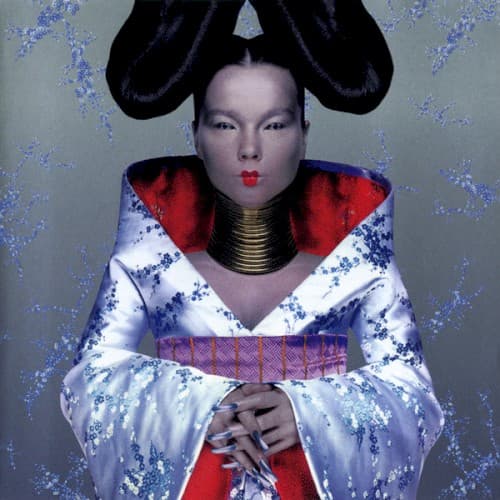
Björk Homogenic — When Electronic Music Learned to Grieve Like an Orchestra
Homogenic set out to solve a problem most pop albums never acknowledge: how to make beats and strings share the same emotional temperature. Björk's third album, recorded in Spain in 1997 after a stalker's suicide forced her out of London, channels Iceland's scene into a musical thesis about contradiction. The electronic beats are the rhythm, the heartbeat, she said in interviews, and the violins create the old-fashioned atmosphere.
The album proves her right by making that fusion feel necessary rather than clever. Producer Mark Bell's stuttering IDM programming and the Icelandic String Octet's arrangements do not alternate or layer politely; they occupy the same sonic space, each one bending toward the other until the seams disappear. When Jóga builds to its chorus, you cannot tell whether the lift comes from the strings or the beat, and that confusion is the album's central achievement. Homogenic works because Björk made it impossible to pull the components apart without breaking the songs.
The album announces its stakes in the first verse of Hunter, where Björk sings about thought as travel and the lyric sits atop a rhythm that seems to be assembling itself in real time. The concept demanded a stylistic narrowing after the genre tourism of Debut and Post, and Homogenic honors that demand by staying inside a single aesthetic framework for forty-three minutes. Every track uses the same palette: beats built from glitches and stutters, string arrangements that move in blocks rather than flourishes, vocals that range from a whispered speak-sing to a scream that could strip paint. The consistency is the point. Homogenic does not want you to mistake any of these ten songs for something you could find on another record.
Beats That Grieve and Strings That Glitch
The production rests on a single structural decision: Mark Bell's beats never behave like a rhythm section, and the Icelandic String Octet never behaves like decoration. Bell, credited for the majority of the album's production including Pluto and Alarm Call, brought the stuttering IDM aesthetic from his work with LFO, but here the programming serves melodic and emotional ends rather than textural ones. The beat in Jóga does not keep time so much as it provides a second harmonic layer, and the strings do not sweeten the track so much as they supply its rhythmic backbone. Guy Sigsworth, who handled production on Unravel, pushes that fusion furthest: the harp and strings carry the pulse while Björk's vocal floats untethered, and the song holds together because the arrangement refuses to separate rhythm from melody. Howie B's production on All Is Full of Love leans softer, with glassy textures and a slower tempo, but even there the beats and strings occupy the same frequency range, competing for space in the mix rather than dividing it cleanly.
Björk composed most of the string parts on a Casio keyboard and handed them to programmers who added rhythmic patterns, and that reversed workflow explains why the orchestration feels like synthesis rather than ornamentation. The strings do not enter to signal a big moment; they are present from the first bar, treated as another electronic element. Dravs and Bell worked with Björk to create songs where the organic and synthetic were not in dialogue but in fusion, and the mix by Spike Stent refuses to separate them. When Bachelorette surges into its final chorus, the strings and beats swell together, and the listener cannot parse which layer is doing the lifting. That ambiguity is the album's signature, and it required a production approach that treated the string octet as a sample bank and the beats as a melodic instrument, an approach shared by few pop albums of the era beyond Depeche Mode's Violator.
The songwriting follows a similar logic. Jóga and Bachelorette, co-written with poet Sjón to achieve the epic scale Björk wanted, build verses that withhold resolution and choruses that deliver it without relying on repetition or dynamic jumps. The hooks are structural rather than sing-along, and they deepen rather than announce themselves. Hunter and Unravel construct melodies from small intervallic movements, and the restraint makes the occasional leap (the final turn in Unravel, the scream in Pluto) land with force.
But the writing is not without weaknesses. Alarm Call's lyric about mustn't be afraid and waking up flirts with self-help language, and the song's brightness disrupts the album's tonal arc without earning the shift. 5 Years, written about a breakup, leans on tempo and intensity where the lyric needed specificity, and the track feels more like a sketch than a finished song.
Björk's vocal performance holds the record together. She sings Unravel using a traditional Icelandic choir technique that combines speaking and singing, and the method gives the song a narrative intimacy that a full-voice approach would have destroyed. Jóga requires her to sustain long phrases over a beat that refuses to align with the vocal rhythm, and she navigates the mismatch by phrasing behind the beat, letting the tension accumulate. Pluto pushes her into a scream that sounds unhinged but remains pitched and controlled, and the character never fractures. The vocal on Bachelorette moves from conversational to operatic within a single verse, and the transition feels motivated rather than showy. But the album's relentless intensity asks a lot of the listener, and the lack of dynamic variation in the middle stretch (All Neon Like through Immature) makes the sequencing feel narrower than it is.
An Arc That Sags Before It Soars
Homogenic sequences itself as a journey from isolation to connection, and the first stretch earns that thesis. The opening establishes the album's aesthetic: sparse, strange, focused, building from a beat that seems to be figuring out its own structure. The second track follows with the record's most devastating chorus, a tribute that doubles as a scene portrait, and its build from whispered verse to full orchestral swell is the template the rest of the album chases. The third track slows the tempo and strips the arrangement to harp, strings and voice, and its quiet devastation provides the emotional floor the album needs to make the later climaxes register. The sequencing peaks early and never quite reaches that height again.
The middle stretch contains the album's weakest material. Two early tracks in this section are solid but not essential, and the following cut demonstrates Bell's programming but the song itself feels incomplete. The next entry disrupts the flow with a brightness and optimism the album has not earned, and the track would have worked better as a single than as a sequencing choice. The subsequent song restores the intensity with a three-minute scream about the need to destroy everything and start again, and its violence feels cathartic rather than performative. The closer finishes the record with the album's only moment of resolution, and the sequencing from penultimate to final track justifies the detour through the middle.
The album runs forty-three minutes across ten tracks, and the length feels right for the material. Homogenic does not overstay, but it does not leave room to breathe either, and the unrelenting intensity makes the full album a considered listen rather than a casual one. The peaks are worth the sags, and the sequencing builds to the ending with enough momentum to make the resolution feel earned.
Where Björk Became Björk
Homogenic is Björk's defining statement, the album where the experiment became a vision and the vision became a signature. It ranks as essential because it solved a problem—how to make beats and strings sound like one instrument—that most producers do not know exists, and it did so without sacrificing songwriting or emotional clarity. The album's fusion of IDM and orchestration influenced everything from Radiohead's Kid A to Kanye West's 808s & Heartbreak, and its impact on Björk's own catalog is even clearer: Vespertine and Vulnicura both extend ideas Homogenic introduced.
The record is not without flaws. Alarm Call interrupts the tonal arc, 5 Years leans on intensity where it needed specificity, and the middle stretch sags before the final climb. But those weaknesses do not diminish the achievement. Homogenic took art pop and electronic music, two traditions that rarely share oxygen, and made them the same thing.
This album is for listeners who want pop music that refuses to comfort, and for anyone interested in how production can carry as much emotional weight as melody. Skip it if you want brightness or dynamic variation or songs that make themselves easy to love on first listen. Homogenic demands attention and rewards it slowly, and the album's intensity makes it a committed rather than casual experience. Start with Jóga to hear the thesis in full, then Unravel to understand the restraint, then Bachelorette to hear the songwriting at its most ambitious. If those three tracks land, the rest of the album will follow.
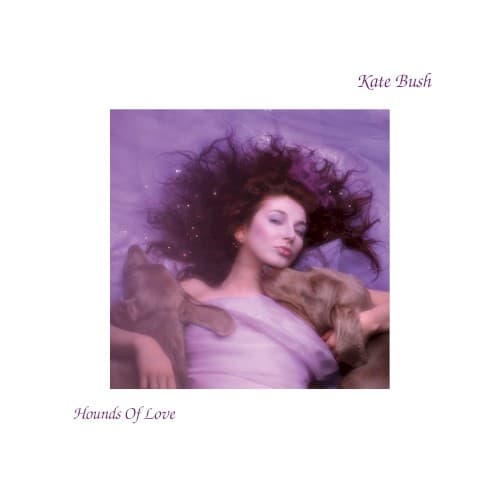
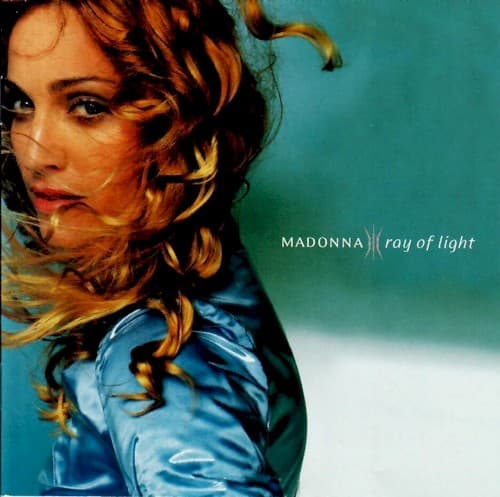
For next steps, Vespertine explores the same fusion of electronic and acoustic elements with a softer touch, and Vulnicura applies the orchestral approach to breakup songs that are even more direct. Massive Attack's Mezzanine and Portishead's Dummy form a trip hop trinity with Homogenic, and Radiohead's Kid A extends the album's willingness to let production shape emotion. Madonna's Ray of Light and Kate Bush's Hounds of Love also explore the fusion of electronic and organic elements with similarly transformative results. Homogenic has aged into a landmark because it made a case for contradiction as a compositional principle, and twenty-seven years later, no one has made that case more clearly.
Track by track
Track Listing
Hunter
StandoutOpens with a beat that assembles itself in fragments, refusing to settle into a groove until the second verse. Björk sings about thought as travel and the vocal sits low in the mix, letting the production carry the melody. The chorus lifts without a dynamic shift, relying instead on the string arrangement to provide resolution. A strong opener that establishes the album's aesthetic: sparse, deliberate, built from contradictions.
Jóga
StandoutThe album's peak and its thesis statement, a tribute to Björk's best friend that doubles as a portrait of Icelandic landscape. Mark Bell's beat in the verse stutters and skips, never quite aligning with the vocal rhythm, and the tension makes the chorus hit harder when the strings swell and the beat solidifies. Björk co-wrote the lyric with poet Sjón to achieve an epic scale, and the song earns it: the chorus builds without repetition, each iteration adding harmonic density until the final lift feels inevitable. The production fuses the beats and strings so completely that you cannot tell which element is doing the work, and that fusion is the album's central achievement. A landmark track.
Unravel
StandoutGuy Sigsworth's production strips the arrangement to harp, strings and voice, and the song constructs its melody from the smallest possible intervallic movements. Björk sings using a traditional Icelandic choir technique that combines speaking and singing, and the method gives the track a narrative intimacy that a full-voice approach would have destroyed. The lyric is about lamenting love with brief flashes of hope, and the song withholds resolution until the final phrase, where the melody finally turns upward and then stops. Devastating and patient, one of the most emotionally precise songs Björk has written.
Bachelorette
StandoutCo-written with Sjón and originally intended for a Bertolucci film, Bachelorette builds from a conversational verse to an operatic chorus without the character shift feeling forced. The production layers strings and beats in blocks, and the arrangement surges in the final third when both elements swell together. The lyric about a story that writes itself is the album's most self-reflexive moment, and Björk sells it by treating the metaphor as literal. The song is ambitious and fully realized, though its length (five minutes, sixteen seconds) asks the listener to commit to the build. One of the album's three peaks.
All Neon Like
SolidContains snippets of a poem Björk wrote called Techno Prayer, and the lyric's abstraction makes the song harder to locate emotionally than the tracks around it. The production is solid, with a midtempo beat and string arrangement that follows the album's template, but the song does not build to a moment that justifies its near six-minute runtime. Competent but not essential.
5 Years
SolidWritten about a breakup, 5 Years leans on tempo and intensity where the lyric needed specificity. Markus Dravs created the fast beat in early sessions, and the rhythm drives the track, but the song feels more like a sketch than a finished statement. The production showcases the album's aesthetic, but the writing does not reach the level of Jóga or Unravel.
Immature
SolidMark Bell's production is the track's main interest, with glitchy beats and a rhythm that refuses to settle. The lyric is about mistakes in past relationships, written shortly after Björk's breakup with Goldie, but the song does not develop the idea beyond the title. The track works as a textural interlude but feels incomplete as a standalone piece.
Alarm Call
WeakThe album's brightest moment, and the brightness disrupts the tonal arc. The lyric about mustn't be afraid and waking up flirts with self-help language, and the song's optimism has not been earned by the tracks that precede it. The production is competent, but the sequencing choice undermines the momentum built by the darker material. A weak link.
Pluto
StandoutA three-minute scream about the need to destroy everything and start again, and the track earns its violence. Bell's production strips the arrangement to a minimal beat and lets Björk's vocal carry the song, and the scream itself is pitched and controlled even as it sounds unhinged. The track restores the intensity the album lost in the middle stretch, and the rawness feels cathartic rather than performative. A necessary rupture before the resolution.
All Is Full of Love
StandoutHowie B's production leans softer than the rest of the album, with glassy textures and a slower tempo, and the song provides the resolution the sequencing has been building toward. The lyric is about believing in love as something larger than two people, and Björk sings it with enough restraint to make the sentiment land without tipping into sentiment. The track closes the album on a note of fragile hope, and the sequencing from Pluto to All Is Full of Love justifies the detour through the middle. A strong closer.