The scorecard
7.8/10 · Great
- Songwriting25%
- 8.5
- Production25%
- 8.0
- Performance15%
- 7.5
- Cohesion15%
- 7.0
- Originality10%
- 7.0
- Replay value10%
- 8.0
The seven-minute Italian Restaurant suite and Vienna prove Joel could build a song past the radio edit, while Just the Way You Are and She's Always a Woman show craft in the details of verse melody and lyric turn.
Phil Ramone's first album with Joel captures the touring band's energy while adding orchestration on Italian Restaurant and precise arrangement choices like the whistled hook on the title track and the shuffle beat on Only the Good Die Young.
Joel's voice carries the character work on Movin' Out and the urgency on Only the Good Die Young, though the ballads lean toward safe phrasing that rarely risks a wrong note.
The sequencing moves from the opening punch of Movin' Out through the suite centerpiece to the reflective second side, with the whistled reprise tying the end to the title track, though Get It Right the First Time sags in the home stretch.
The Italian Restaurant suite borrowed structure from Abbey Road and Bohemian Rhapsody but applied it to Long Island storytelling no one else was doing in 1977, while the rest works within the singer-songwriter template Joel inherited from Piano Man.
Forty-plus years later the album holds up as Joel's most consistent front-to-back listen, with Italian Restaurant and Vienna still earning their length and the singles still sounding like the work of a writer who knew how to make a hook last.
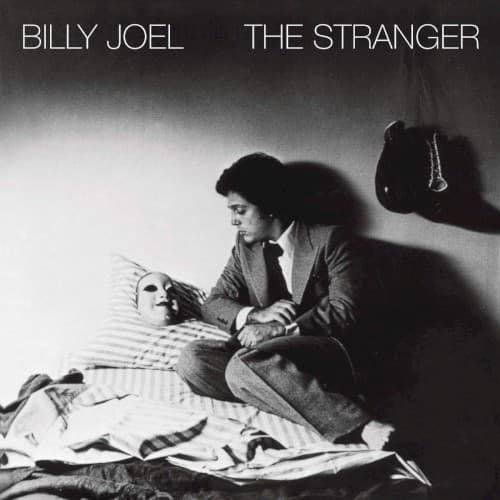
Billy Joel The Stranger — The Album That Proved the Touring Band Right
Billy Joel was one flop away from getting dropped when he walked into the studio with Phil Ramone in the summer of 1977. His previous album had peaked at number 122, Columbia was losing patience, and the obvious move would have been to bring in session pros and chase a single. Instead Joel insisted on recording with his road band, a group of Long Island players who had the energy he wanted but none of the studio pedigree his label trusted. The Stranger is the sound of that gamble paying off: a record that sold ten million copies, spent six weeks at number two, and launched four top-40 singles without sanding down the edges Joel fought to keep.
The thesis here is that The Stranger works because Joel stopped trying to sound like a polished studio artist and started writing songs that matched the band he had been playing with live. The seven-minute Italian Restaurant suite doesn't exist without a rhythm section that could hold a tempo across three stitched-together melodies, and the shuffle beat on Only the Good Die Young doesn't work if the drummer is playing it safe for the take. Ramone's production gave the performances room to breathe while adding orchestration and arrangement choices that turned a good band performance into a finished record. The album is Joel's best because it is the first one that sounds like him, not like what a producer thought a singer-songwriter album should sound like in 1976.
How Ramone Turned a Three-Week Session Into Joel's Best-Sounding Record
The songwriting on The Stranger splits into two modes: the story songs that run long and the radio singles that Joel almost left off the album. Scenes from an Italian Restaurant is three separate pieces spliced together, a trick borrowed from Abbey Road and Bohemian Rhapsody but applied to a tale about a Long Island couple named Brenda and Eddie whose marriage falls apart. The suite works because the transitions feel earned rather than forced, with Ramone's orchestration bridging the sections and the band holding the groove through tempo changes. Vienna, inspired by a trip Joel took to visit his father in Austria, builds slowly around a piano figure and a lyric about slowing down, with enough space in the arrangement that the accordion and strings add color without crowding the vocal. The structure on both tracks is patient in a way that Joel's earlier albums rarely allowed.
The singles are tighter and more calculated. Just the Way You Are, written about Joel's wife at the time, is a melody Joel claimed came to him in a dream, and the verse construction shows craft in how the lyric unfolds across the changes. Joel wanted to cut it from the album, calling it too sappy, but Ramone brought in Linda Ronstadt and Phoebe Snow to convince him otherwise. The song became the album's biggest hit and won Record of the Year at the Grammys, which says more about what the market wanted from Joel than what he was good at. She's Always a Woman, also written about his wife, tries for a Gordon Lightfoot tone and ends up closer to soft-rock formula, with a vocal melody that lingers but a lyric that borders on cloying. Movin' Out opens the album with energy, a character sketch about a grocery-store worker from Long Island whose family wants him to move out, and the rewrite Joel did after realizing he had accidentally borrowed the melody from a Neil Sedaka song gave the track a better groove than the original version would have had.
Ramone's production is what separates this album from Joel's self-produced Turnstiles. The whistled hook on the title track was an accident—Joel whistled it as a placeholder, and Ramone kept it—and the percussion loop that drives the song came from an Ace Tone drum machine Joel was messing with in the studio. Only the Good Die Young started as a slower reggae tune until drummer Liberty DeVitto told Joel to stop singing in a Jamaican accent, and Ramone's suggestion to use a shuffle beat over a straight-four rhythm turned it into the most propulsive track on the record. The album features no consistent guitarist, with session players like Hugh McCracken and Steve Khan filling in on different tracks, but the bass and drums from Doug Stegmeyer and DeVitto anchor every song. The performances feel like takes from a band that had played these songs on the road, even though most were written specifically for the album.
The weak spots are the tracks that sound like Joel filling out the runtime. Get It Right the First Time is a groove piece about first impressions that never develops past its premise, and the gospel-influenced Everybody Has a Dream runs over six minutes without earning the length, though the reprise of the whistled Stranger theme at the end ties the album together. The ballads, particularly Just the Way You Are, worked as singles but sound safer than the rest of the record, with Joel opting for smooth phrasing over the risk-taking that makes Italian Restaurant and Vienna compelling.
An Album Anchored by Its Suite and Saved by Its Singles
The record sequences like a suite built around its centerpiece, with the first four tracks establishing momentum before the seven-minute epic closes side one. That opening stretch moves from punchy piano rock through character study to hit ballad, building trust through variety before the extended closer earns its length by shifting between sections without losing drive. The second side opens with the album's most patient moment, a tonal shift that works because of the equity built in the first half.
The back half sags slightly in its middle section, where tracks feel like obligations rather than statements and gospel-inflected arrangements run longer than their ideas support. One side-two track matches the opening energy, generating radio controversy from Catholic groups that helped turn it into a hit. The album runs thirty-nine minutes across nine songs, a length that feels right even with the weaker moments, because the suite structure and the singles carry enough weight to justify the whole package.
The Album That Made Joel a Star and Still Holds Up as His Best Work
The Stranger is Billy Joel's best album because it is the first one where he stopped trying to sound like anyone else and started writing for the band he actually had. Scenes from an Italian Restaurant and Vienna are the two tracks that prove Joel could build a song past the three-minute mark, and both remain staples of his live set forty years later, with Vienna regularly beating Just the Way You Are when Joel lets the audience vote. The singles worked because Ramone knew how to make them sound like hits without losing the band's energy, and the album as a whole holds up better than anything Joel made before or after because the sequencing and production serve the songs rather than chasing a trend.
This is the album to start with if you want to understand why Joel became a arena headliner and stayed one for the next two decades. The writing is sharper than Piano Man, the production is clearer than Turnstiles, and the performances have the confidence of a band that knew it could play these songs live and make them work. Skip this if you want edge or experimentation; Joel was never that kind of songwriter, and The Stranger is his most polished statement, not his most adventurous. The album aged well because the songs were built to last, with hooks that earn their place and arrangements that don't rely on studio tricks that date the recording.
Start with Scenes from an Italian Restaurant and Vienna to hear Joel at his most ambitious, then move to Movin' Out and Only the Good Die Young for the energy. If those four tracks work, the rest of the album will follow. From here, go to 52nd Street for the next album Joel made with Ramone, which leans harder into the jazz-pop direction, or backward to Turnstiles to hear what the self-produced version sounded like before Ramone cleaned it up. The Stranger is the album where Joel figured out how to make his catalog work, and everything he did afterward was either refining this formula or trying to break out of it.
Track by track
Track Listing
Movin’ Out (Anthony’s Song)
StandoutThe opening track introduces Anthony, a grocery-store worker from Long Island whose family pressures him to move out and make something of himself, and the song works because Joel grounds the character in specific details rather than broad strokes. The melody is a rewrite—Joel originally borrowed the tune from Neil Sedaka's Laughter in the Rain without realizing it until drummer Liberty DeVitto pointed it out the next day—and the new version has a better groove, with the rhythm section driving the track forward. The vocal sits in Joel's comfortable range, and the lyric captures the tension between ambition and settling without overplaying the drama. The sequencing choice to open with this track rather than a ballad sets the tone for an album that leads with energy.
The Stranger
StandoutJoel wrote the title track without a fixed theme, leaving it open to interpretation, though he suggested it could be about a man dealing with schizophrenia. The signature whistled hook was a placeholder that producer Phil Ramone convinced Joel to keep, and the decision gives the track an identity that a keyboard or guitar line would have missed. The percussion comes from an Ace Tone drum machine Joel was experimenting with, and the rhythm provides a foundation for the track's uneasy mood. The lyric is vague enough to support multiple readings, and the arrangement leaves space for the vocal to carry the weight. The track benefits from its placement early in the sequence, before the album settles into its ballad section.
Just the Way You Are
SolidThe biggest hit on the album is also the one Joel wanted to cut, dismissing it as too sentimental for a record that otherwise avoided easy sentiment. Ramone disagreed and brought Linda Ronstadt and Phoebe Snow into the studio to hear it; both praised the song, and Joel relented. The melody, which Joel claimed came to him in a dream, builds carefully across the verse, and the lyric avoids the clichés that sink most love songs by focusing on specific details rather than grand declarations. The performance is polished, with Phil Woods on alto saxophone adding texture without overwhelming the vocal, and the production is clean in a way that helped the song become a staple of adult-contemporary radio. The track won Record of the Year and Song of the Year at the Grammys, and while it is not the most adventurous song on the album, the craft in the verse construction and the restraint in the arrangement make it more than a formula ballad. It has aged better than most hits from the same era, which is more than can be said for the other wife ballad on side two.
Scenes From an Italian Restaurant
StandoutThe seven-and-a-half-minute centerpiece is three separate songs stitched together—The Italian Restaurant Song, Things Are OK in Oyster Bay, and The Ballad of Brenda and Eddie—and the seams show, but the ambition and the execution justify the length. Joel borrowed the structure from Abbey Road and Bohemian Rhapsody, but the subject matter is his own: a Long Island couple named Brenda and Eddie who get married young, peak in high school, and fall apart as adults. The first section sets the scene in an Italian restaurant, with Joel and an old friend catching up over a bottle of red and a bottle of white, and the melody is warm and conversational. The second section shifts into a faster groove, with the rhythm section holding a steady tempo as the lyric sketches the couple's rise. The third section, the ballad, is where the song earns its reputation, with the melody turning melancholy as Brenda and Eddie's marriage collapses. Ramone's orchestration ties the sections together, and the band navigates the transitions without losing momentum. The track is the best thing Joel ever recorded because it proves he could build a song past the radio edit and make the structure feel necessary rather than indulgent. It remains a staple of his live set, and Joel has said he cannot imagine doing a show without it.
Vienna
StandoutThe second-side opener is the most patient song on the album, building slowly around a piano figure and a lyric inspired by a trip Joel took to visit his father in Austria. The song's thesis—slow down, you're doing fine, Vienna waits for you—came from a conversation Joel had with his father about an elderly woman sweeping the streets. Joel pitied her, but his father explained that she was giving herself purpose by doing work that helped everyone, a revelation that shifted Joel's perspective on ambition and aging. The arrangement is spare, with accordion and strings adding color without crowding the vocal, and the melody unfolds across the verse in a way that rewards patience. The production lets the song breathe, and the result is one of Joel's most enduring tracks. When Joel lets his audience choose between Vienna and Just the Way You Are during live shows, Vienna wins more often, which says something about which song has staying power. The track was featured in an episode of the television series Taxi and later in the film 13 Going on 30, and Joel has cited it as his fifth-favorite song he has written.
Only the Good Die Young
StandoutThe most propulsive track on the album started as a slower reggae tune, with Joel singing in a Jamaican accent, until drummer Liberty DeVitto told him to stop. Ramone suggested a shuffle beat over a straight-four rhythm, an odd combination that Joel initially found clunky but grew to appreciate, and the final arrangement turns the track into a rush. The lyric is sung from the perspective of a boy trying to seduce an abstinent Catholic woman named Virginia, inspired by a girl Joel had a crush on in high school, and the verse is specific enough to avoid sounding like a generic come-on. The song sold poorly as a single until Catholic groups began calling for radio bans, at which point the controversy turned it into a hit, peaking at number twenty-four. The track benefits from its placement between Vienna and the wife ballads, providing energy in a section of the album that otherwise leans reflective. Hugh McCracken's guitar work, brought in by Ramone, adds texture without overwhelming the rhythm section.
She’s Always a Woman
WeakThe second wife ballad, written about Elizabeth Weber, tries for a Gordon Lightfoot tone and ends up closer to soft-rock formula. Joel described the song as a commentary on women in business being persecuted, but the lyric reads more like a catalog of contradictions—she can kill with a smile, she can wound with her eyes—that borders on condescension. The melody is pleasant, and the vocal performance is smooth, but the song lacks the specific details that make Just the Way You Are work, and the arrangement is safe in a way that makes the track feel like filler. It became a hit anyway, peaking at number seventeen, which says more about what the market wanted from Joel in 1977 than what he was capable of writing. The track has aged poorly compared to the rest of the album.
Get It Right the First Time
WeakA groove piece about the importance of making a good first impression, the track never develops past its premise. The rhythm section is solid, and the arrangement has space for the vocal to move, but the lyric repeats the same idea without adding new information, and the song feels like Joel filling out the album's runtime. It is the weakest track on the second side, and its placement between the two wife ballads makes the sag more noticeable.
Everybody Has a Dream
SolidThe closing track is a gospel-influenced piece that runs over six minutes without earning the length. The lyric is earnest—everybody has a dream, everybody has a goal—but the melody does not develop enough to justify the runtime, and the arrangement, which features backing vocals from Phoebe Snow, Lani Groves, Gwen Guthrie, and Patti Austin, leans toward uplift without the specificity that makes the rest of the album compelling. The track redeems itself slightly with the reprise of the whistled theme from The Stranger, which ties the album together and provides a sense of closure. Without that reprise, the song would be pure filler.