Style & Context
Influences
Film noir cinematography, Edward Hopper's urban isolation, Depression-era portraiture
Location
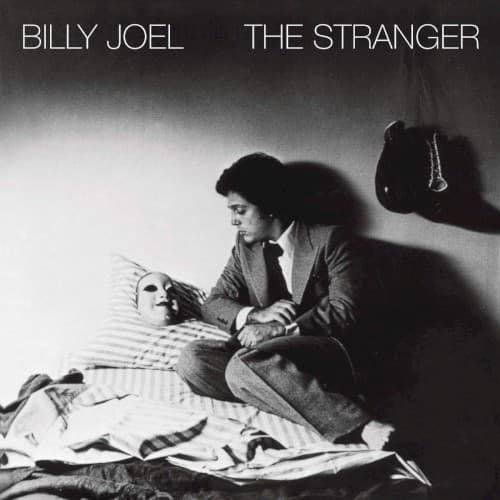
The cramped bedroom setting evokes working-class New York apartments where ambition and claustrophobia collide in equal measure.
Visual Language
The staged composition borrows from 1940s movie stills, creating a narrative frozen moment that feels both cinematic and deeply personal.
Symbols
White theatrical mask
The mask represents the false faces people wear in relationships, echoing the album's exploration of emotional disguise.
Boxing glove hanging above
The glove symbolizes violence and aggression lurking overhead, ready to strike when vulnerability is exposed.
Rumpled bedsheets
The unmade bed suggests intimacy interrupted or the aftermath of emotional confrontation and restless isolation.
Where Sound Meets Image
The mask and boxing glove directly illustrate the title track's lyrics about a mysterious woman with a violent past she cannot escape. The intimate bedroom setting mirrors the album's confessional piano-bar aesthetic, while the theatrical staging reflects Joel's ambitious arrangements that blend pop accessibility with complex emotional narratives. The sepia tone matches the nostalgic orchestration throughout the record, from the accordion-driven 'Scenes from an Italian Restaurant' to the melancholic 'Vienna.' The solitary figure captures the loneliness permeating even the album's upbeat moments, suggesting that connection remains elusive even in Joel's most romantic songs.
The cover established a template for depicting the singer-songwriter as both everyman and mystery, vulnerable yet unreachable. Its cinematic staging influenced countless 1980s album covers that borrowed from film noir aesthetics to add gravitas to pop music. The mask motif has been endlessly referenced in pop art exploring identity and performance, from Sia's face-covering aesthetic to The Weeknd's bandaged persona. The cover proved that simple props and theatrical lighting could convey complex psychological themes without resorting to psychedelic excess or minimalist abstraction.