Style & Context
Influences
Film noir portraiture, jazz album covers, European fashion photography
Location
This cover announced a Black British artist claiming space in adult pop without compromise.
Visual Language
The cinematic framing and controlled color palette borrow from art cinema's visual vocabulary.
Symbols
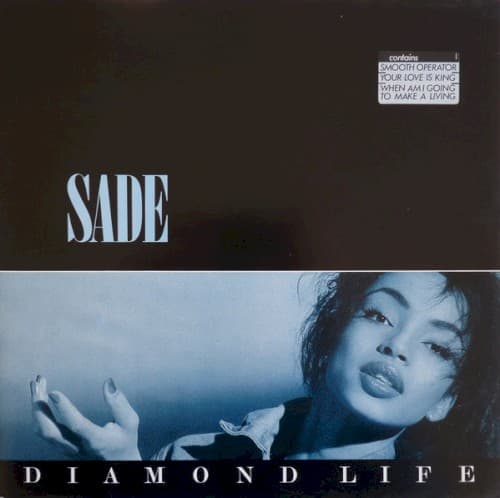
Split composition
The divided frame mirrors the duality of public persona and private sensuality that defines Sade's artistry.
Cigarette gesture
The casual elegance of holding a cigarette positions Sade as sophisticated and worldly, not innocent.
Upward gaze
Looking past the camera suggests emotional distance and self-possession, refusing the viewer's objectifying gaze.
Where Sound Meets Image
The cover's emotional restraint perfectly mirrors the album's hushed arrangements and Sade's famously controlled vocals. The darkness dominating the top half reflects tracks like 'Smooth Operator' and 'Your Love Is King'—songs about romantic detachment delivered with jazz-inflected cool. The intimate lower portrait captures the vulnerability beneath the sophistication, the way Sade's voice could convey longing while maintaining perfect composure. The blue wash evokes the album's nocturnal mood, music designed for dimmed lights and adult contemplation rather than dancefloor release.
This cover established minimalism as a power move in pop packaging, proving that restraint could command attention in an era of visual overload. The split-frame approach influenced countless R&B and jazz albums seeking similar sophistication. The cool-toned portrait photography became a template for artists positioning themselves as timeless rather than trendy, visible in everyone from Sade's own subsequent releases to contemporary acts like FKA twigs who balance intimacy with artistic distance.