Style & Context
Influences
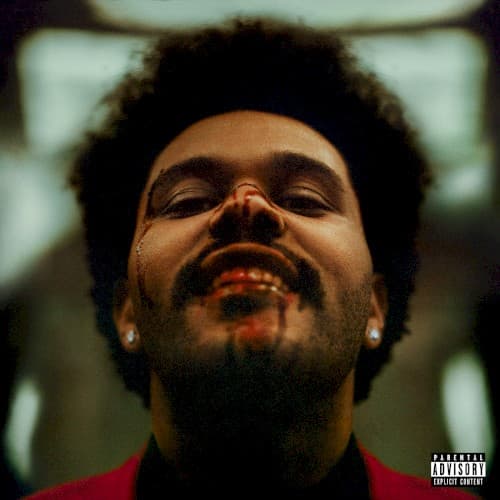
Film noir, crime scene photography, David Lynch's unsettling close-ups, 1980s Miami Vice aesthetics
Location
The clinical lighting and sterile atmosphere reflect the album's Las Vegas setting and its cold excess.
Visual Language
The slight blur suggests movement or disorientation, as if the subject is swaying or the world is spinning.
Symbols
Bloodied nose and mouth
Physical evidence of the album's themes of self-inflicted damage through hedonism and excess.
Upward gaze into harsh lights
Suggests interrogation, hospital trauma, or a soul seeking escape from its own darkness.
Red suit jacket
The color of danger and passion becomes a uniform for the album's reckless protagonist.
Where Sound Meets Image
The battered appearance directly illustrates the album's narrative of a character spiraling through Vegas nightlife, making catastrophic choices. Songs like 'Blinding Lights' and 'After Hours' describe desperate, drug-fueled drives through neon-lit cities, and this image captures the morning-after consequences. The upward gaze mirrors the album's synth-heavy production—reaching toward euphoria while physically breaking down. The red jacket became a visual motif throughout the album's rollout, appearing in videos where The Weeknd's character descends deeper into violence and madness.
This cover helped normalize vulnerability in male pop star imagery, showing physical and emotional damage rather than invincibility. The aesthetic influenced a wave of artists embracing darker, more honest visual narratives in the streaming era. The image became instantly meme-able yet retained its disturbing power, a rare balance in social media age. It proved that pop album covers could still shock and provoke meaningful conversation about celebrity, masculinity, and self-destruction.