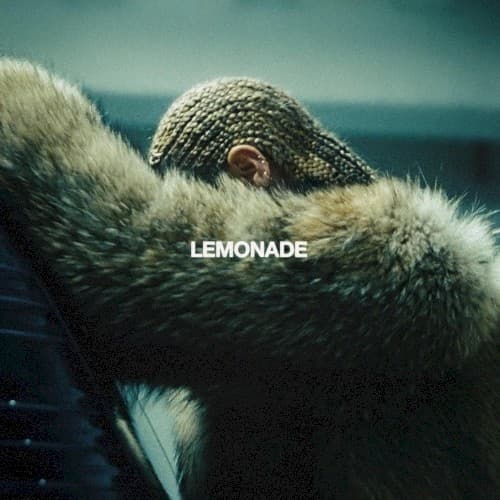
The scorecard
9.1/10 · Essential
- Songwriting25%
- 9.0
- Production25%
- 9.5
- Performance15%
- 9.0
- Cohesion15%
- 9.0
- Originality10%
- 9.0
- Replay value10%
- 8.5
Hooks range from the spare precision of the chorus in HOLD UP to the bruised gospel craft in SANDCASTLES, with lyrics that paraphrase trauma without simplifying it.
Diplo, Jack White, Mike Will Made-It and a dozen others build distinct soundscapes for each track without losing the thread, from blues-rock distortion to trap to country twang.
Beyoncé moves from the whispered control of PRAY YOU CATCH ME to the full-throated rage of DON'T HURT YOURSELF, with every vocal choice earned by the emotional arc.
The Kübler-Ross structure holds the genre shifts together, though the forty-six-minute runtime includes two brief interludes that mostly serve the film.
The genre synthesis and the integration of Black feminist history into a pop album about infidelity were new in 2016 and remain distinctive in the catalog.
FORMATION, HOLD UP and SORRY remain staples; the heavier emotional tracks and the interludes wear differently depending on whether you need the catharsis.
Beyoncé LEMONADE — When Pop Confronted History and Survived
LEMONADE argues that personal betrayal and historical trauma share the same wounds, and that healing from one means reckoning with both. Beyoncé structures the album as a song cycle tracing the stages of grief after infidelity, but the anger and the forgiveness are never only about a marriage: they are about what slavery and its aftermath did to Black families, to Black women, and to the possibility of Black love in America. The thesis is in the sequencing. The album moves from the quiet devastation of PRAY YOU CATCH ME through the rage of DON'T HURT YOURSELF and SORRY, then pivots at DADDY LESSONS, where Beyoncé connects her husband's betrayal to her father's and to a lineage of broken men.
By the time the record reaches SANDCASTLES and ALL NIGHT, forgiveness is presented not as weakness but as a choice to break the cycle. The stakes are high because the album insists that the personal is both political and historical, and that a pop record about infidelity can also be about the Door of No Return and the tignon laws and the Igbo Landing of 1803. That ambition could collapse under its own weight, but LEMONADE holds because Beyoncé and her collaborators build each song to support the argument.
The production team includes Diplo, Jack White, Mike Will Made-It, Just Blaze and a dozen others, all working within a concept that required them to genre-hop while maintaining a single emotional arc. The album was recorded between June 2014 and July 2015 across eleven studios, with Beyoncé posting mood boards for each chapter and curating references that ranged from Memphis Minnie to Julie Dash. The result is a forty-six-minute album that moves through trap, rock, country, gospel and reggae without sounding like a playlist, because every genre shift is justified by the stage of grief it represents.
Rage and Craft Built from a Dozen Blueprints
The songwriting on LEMONADE works by matching the structure of each song to the emotion it needs to carry. HOLD UP builds its hook around a Caribbean lilt and a bounce rhythm, with a melody that stays light even as the lyrics describe suspicion hardening into certainty. The chorus lifts on the second repetition, but the production keeps the verses sparse enough that the lift feels like a decision rather than a formula. SORRY strips the beat down to a two-note bass pulse and a rim-click snare, with the hook delivered in a near-monotone that makes the defiance land harder than a shout would.
DON'T HURT YOURSELF moves the opposite direction, with Jack White supplying blues-rock distortion and Beyoncé pushing her voice into a rasp that cracks on the high notes. The song samples Led Zeppelin's rendition of When the Levee Breaks, which was originally written by Memphis Minnie about the Great Mississippi Flood, and the reclamation of that lineage is built into the production: the drums are compressed and the guitars are loud enough to distort, but the mix leaves room for Beyoncé to stay audible through the noise. DADDY LESSONS pivots into country, with live drums and a brass section that quotes New Orleans jazz funerals. The song is sequenced as the album's turning point, where Beyoncé links her husband's betrayal to her father's infidelity and to a history of broken men in her family.
The melody in the verses is conversational, and the chorus builds through repetition rather than through a melodic climb, which keeps the song grounded in storytelling rather than in spectacle. The production across the album is handled by a large team, and the coherence comes from Beyoncé's oversight rather than from a single sonic signature. Diplo produced HOLD UP and ALL NIGHT, giving both tracks a warmth that contrasts with the colder electronics on PRAY YOU CATCH ME, which was produced by Garrett and Beyoncé. Mike Will Made-It produced FORMATION, which was released as a single before the album and functions as both an introduction and a coda.
The song blends trap percussion with bounce rhythms and a horn sample, and the mix keeps the bass loud enough that the track sounds designed for stadiums. The vocal production varies by chapter. On PRAY YOU CATCH ME, Beyoncé's voice is recorded close and dry, with almost no reverb, so that every breath is audible. On FREEDOM, which features Kendrick Lamar, the vocal is pushed forward in the mix and layered with a gospel choir, and the contrast between the two approaches mirrors the movement from isolation to community.
The album's main weakness is that the genre variety occasionally works better in concept than in execution. FORWARD, which features James Blake, is a ninety-second interlude built around a repeated piano figure and a wordless vocal, and while it provides a moment of calm between SANDCASTLES and FREEDOM, the track adds little that the sequencing could not accomplish on its own. 6 INCH, which features the Weeknd, has a strong central riff and a forceful vocal, but the track's placement between SORRY and DADDY LESSONS makes it feel like a detour rather than a progression, and the Weeknd's verse does not add enough to justify the feature.
The record is also front-loaded with its strongest material: the first four tracks establish the emotional arc and the sonic range, and while the second half contains some of the album's most vulnerable moments, it lacks the immediate hooks that make HOLD UP and SORRY replay as often.
An Arc That Peaks Early and Earns the Reconciliation
The sequencing on LEMONADE is built around the Kübler-Ross model, with each track corresponding to a stage of grief, and the pacing follows that structure: the album peaks in anger during the opening stretch, then slows for the middle section, then rebuilds momentum in the closing run. The opening three tracks establish the progression from suspicion to rage without repeating themselves. The first entry is quiet and static, with a melody that circles without resolving. The second brightens the tempo but keeps the suspicion in the center of the hook.
The third releases the rage that the first two tracks were holding back, and the sequencing makes the explosion feel earned rather than sudden. The middle section sags slightly. The stretch that includes the country-inflected entry and the vulnerability-focused ballads contains two interludes and slows the pacing enough that the album loses some of its forward drive. The most stripped moment on the record arrives after two slower tracks, which makes it feel like the album is stalling rather than building.
The final stretch recovers the momentum. The most overtly political track, which features Kendrick Lamar and samples a prison work song collected by Alan Lomax, is sequenced as the moment where the personal grief opens into a collective reckoning. The next entry follows with a reggae-inflected production and a lyric that presents forgiveness as a conscious choice rather than as a surrender, and it works as a resolution because the album has already shown the cost of getting there.
FORMATION, which was released as a single before the album, functions as a coda that moves the focus from the marriage back to Beyoncé's identity and her place in Black Southern culture. The track's placement at the end shifts the album's final statement from reconciliation to self-assertion, which is a stronger close than a love song would be. The runtime is lean at forty-six minutes, but the two interludes feel inessential outside the context of the film.
A Cultural Landmark That Ranks Just Below RENAISSANCE
LEMONADE is the more ambitious of Beyoncé's two highest-rated albums, but RENAISSANCE edges it because that record is more consistent across its tracklist and because its focus on joy and release makes it replay more easily. LEMONADE is the album Beyoncé needed to make to move past the infidelity narrative and to claim her place as an artist working at the intersection of pop and politics, and it succeeds at both. The album's influence on the entertainment industry was immediate: the surprise visual release became a template, the genre-blending production encouraged other pop artists to take risks, and the centering of Black feminist history in a mainstream pop album opened space for work by SZA, Solange and others.
The record has aged well because the argument it makes about the connection between personal trauma and historical violence remains specific to this album and this artist, rather than being a claim that other records could make as easily. The album is best for listeners who want pop music that engages with history and identity without softening the edges, and who are willing to sit with the heavier emotional material in the middle section. Skip it if you want an album built around hooks and replay value, because LEMONADE prioritizes the arc over the individual songs, and because some of the tracks are more effective as chapters in a film than as standalone pieces.
Start with FORMATION for the most immediate track, then move to HOLD UP and SORRY for the best examples of how the album balances craft and fury. For a lighter entry point to Beyoncé's catalog, try RENAISSANCE. For another pop album that uses genre fusion to explore identity and trauma, try Solange A Seat at the Table or SZA SOS, both of which draw from the space that LEMONADE opened. LEMONADE remains essential because it proved that a pop album could be a historical argument and a personal reckoning at the same time, and because it did so without losing the craft that makes the songs work.
Track by track
Track Listing
PRAY YOU CATCH ME
StandoutThe album opens with the quietest track, a four-chord progression and a vocal recorded so close that the microphone catches the hesitation in Beyoncé's phrasing. The melody circles without resolving, and the production adds strings in the second half without brightening the mood, so that the song ends in the same suspended state where it began. The lyric paraphrases suspicion as a hope that the betrayal will be discovered before it deepens, and the understatement makes the emotion sharper than a direct accusation would. The song works as an opening because it establishes the emotional starting point without tipping into drama, and because the sparse arrangement leaves room for the album to build from here.
HOLD UP
StandoutThe most immediate hook on the album, built around a Caribbean lilt sampled from Yeah Yeah Yeahs Maps and a bounce rhythm that keeps the tempo light even as the lyric moves from suspicion to confrontation. Diplo and Ezra Koenig produced the track, and the production stays warm enough that the song works as a single while still serving the album's arc. The chorus melody lifts on the second repetition, and the lift is timed so that it feels like a decision rather than a formula. The song became one of the album's most-replayed tracks because it balances the craft of a pop single with the specificity of the larger narrative, and because the hook is strong enough to work outside the context of the betrayal story.
DON’T HURT YOURSELF
StandoutThe angriest track on the album, with Jack White supplying blues-rock distortion and Beyoncé pushing her voice into a rasp that cracks on the sustained notes. The song samples Led Zeppelin's When the Levee Breaks, which was originally written by Memphis Minnie, and the reclamation of that lineage is built into the production: the guitars are loud enough to distort, but the mix leaves room for Beyoncé to stay audible through the noise. The track includes a quote from Malcolm X about Black women being the most disrespected and unprotected people in America, and the placement of that quote shifts the song's focus from a personal betrayal to a historical one. The song works because the rage is directed outward rather than inward, and because the production matches the intensity of the vocal. White's guitar work is the album's most muscular moment, and the collaboration between a Black pop star and a white rock guitarist on a track about Black female resilience is the kind of contradiction that LEMONADE thrives on.
SORRY
StandoutThe coldest and most defiant track, stripped down to a two-note bass pulse and a rim-click snare, with the hook delivered in a near-monotone that makes the dismissal land harder than a shout would. The production is minimal enough that the song feels like a chant rather than a pop track, and the repetition of the title phrase builds through accumulation rather than through a melodic climb. The lyric paraphrases the realization that the betrayal is not worth the energy of anger, and the understatement is what makes the song cut. MeLo-X, Hit-Boy and Stuart White produced the track, and the restraint in the arrangement is the key choice: a fuller production would soften the impact. The song became one of the album's signature moments because it captures the point where grief turns into dismissal, and because the hook is quotable without being sentimental.
6 INCH
SolidA solid groove built around a distorted bass riff and a forceful vocal, with the Weeknd adding a verse that does not add much to the track. The song paraphrases ambition and self-sufficiency, and the production is heavy enough to match the aggression in the lyric, but the track's placement between SORRY and DADDY LESSONS makes it feel like a detour rather than a progression. The Weeknd's verse is competent but not essential, and the feature feels more like a marketing decision than a creative one. The song works as a standalone track but contributes less to the album's arc than the tracks surrounding it.
DADDY LESSONS
StandoutThe album's pivot point, where Beyoncé links her husband's betrayal to her father's infidelity and to a history of broken men in her family. The song is structured as a country ballad, with live drums, a brass section that quotes New Orleans jazz funerals, and a melody in the verses that stays conversational rather than building toward a climax. The production, handled by Beyoncé and Derek Dixie, reclaims country music as a genre with deep roots in Black Southern culture, and the choice to place a country song at the center of an album about Black womanhood is deliberate. The lyric paraphrases lessons learned from a father who was both protective and unfaithful, and the tension between those two roles is what makes the song land. The track was performed with the Dixie Chicks at the 2016 Country Music Association Awards, and the backlash from conservative country fans proved the point the song was making about race and genre ownership. DADDY LESSONS is the moment where the album's argument shifts from the personal to the generational, and it is one of the record's strongest tracks.
LOVE DROUGHT
StandoutA slow-building track with a sparse arrangement and a vocal that moves from a whisper to a sustained cry, structured around the metaphor of emotional withholding as a drought. The production, handled by Mike Dean and Beyoncé, adds layers gradually, with synth pads and a drum pattern that enters halfway through, but the song never fully releases the tension it builds. The lyric paraphrases the realization that forgiveness requires vulnerability, and the understatement in the first half makes the vocal climb in the second half land harder. The song works as a bridge between the anger of the first half and the reconciliation of the second, and the restraint in the production is the key choice. The track is one of the album's most emotionally direct moments, and it holds up because the vocal performance earns the sentiment.
SANDCASTLES
StandoutThe most vulnerable track on the album, a stripped piano ballad with a vocal that cracks on the sustained notes and a lyric that paraphrases the decision to rebuild a relationship despite the damage. The production, handled by Beyoncé and Vincent Berry II, is minimal enough that the song feels like a confession rather than a performance, and the cracks in the vocal are left in the mix rather than being corrected. The song's placement after two slower tracks makes it feel like the album is stalling rather than building, but the track is strong enough on its own terms that the pacing issue does not diminish it. SANDCASTLES is the moment where the album moves from anger to forgiveness, and the simplicity of the arrangement is what makes the shift credible.
FORWARD
SolidA ninety-second interlude featuring James Blake, built around a repeated piano figure and a wordless vocal. The track provides a moment of calm between SANDCASTLES and FREEDOM, but it adds little that the sequencing could not accomplish on its own. The interlude works better in the context of the film than as a standalone piece.
FREEDOM
StandoutThe album's most overtly political track, featuring Kendrick Lamar and sampling a prison work song collected by Alan Lomax. The production, handled by Jonny Coffer, Just Blaze and Beyoncé, is built around a gospel choir and a drum pattern that quotes both trap and traditional Black church music, and the mix pushes Beyoncé's vocal forward so that it cuts through the layers. The lyric paraphrases liberation as both a personal and a collective struggle, and the sequencing positions the track as the moment where the album's focus shifts from the marriage to the broader historical context. Lamar's verse is one of his strongest guest appearances, and the chemistry between the two vocalists is audible. The song was performed with Lamar at the 2016 BET Awards, with the performance opening with an audio clip from Martin Luther King Jr.'s I Have a Dream speech, and the live version made the political stakes of the track explicit. FREEDOM is the album's most powerful moment, and it works because the production and the vocal performance match the scale of the claim the song is making.
ALL NIGHT
StandoutA reggae-inflected track that presents forgiveness as a conscious choice rather than as a surrender, with a production by Diplo that stays warm enough to support the sentiment without softening it. The song paraphrases reconciliation as a process that requires both partners to choose the relationship over the damage, and the lyric is specific enough that the sentiment does not feel generic. The production adds layers gradually, with a synth line and a drum pattern that build through the second half, and the arrangement is full enough that the song feels like a release rather than a resolution. ALL NIGHT is the strongest track in the album's final section, and it works as a counterpoint to the anger of the first half because it shows the cost of forgiveness without dismissing the reasons for the anger.
FORMATION
StandoutOriginally released as a single before the album, FORMATION functions as a coda that moves the focus from the marriage back to Beyoncé's identity and her place in Black Southern culture. The production, handled by Mike Will Made-It, blends trap percussion with bounce rhythms and a horn sample, and the mix keeps the bass loud enough that the track sounds designed for stadiums. The lyric paraphrases pride in Blackness, Southern heritage and success, and the specificity of the references (Red Lobster, baby hair, Jackson Five nostrils) is what makes the song land. The track's placement at the end shifts the album's final statement from reconciliation to self-assertion, which is a stronger close than a love song would be. FORMATION became the album's signature track because it works both as a standalone single and as the culmination of the album's argument, and because the production and the vocal performance are confident enough to carry the weight of that dual role.