Style & Context
Influences
H.R. Giger biomechanical art, Robert Mapplethorpe portraiture, biker culture aesthetics, cyberpunk manga
Location
The cover emerged during the 2011 marriage equality battles, translating activism into aggressive visual rhetoric.
Visual Language
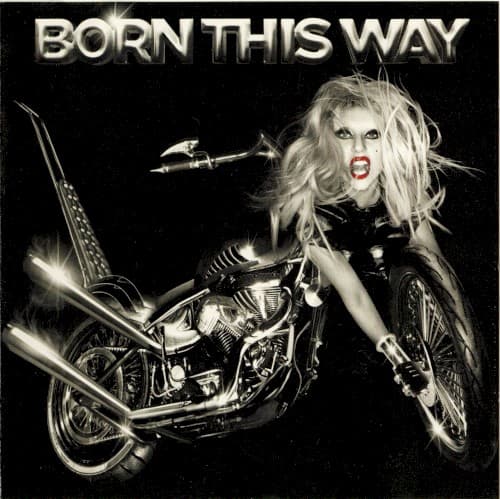
The airbrushed finish creates an uncanny valley effect where Gaga looks simultaneously hyperreal and artificial.
Symbols
Motorcycle-human fusion
Gaga's body merging with the bike visualizes how identity is engineered, not discovered at birth.
Exposed engine parts
The visible mechanical innards mirror the album's message about revealing your authentic, constructed self.
Chrome finish
The reflective surface rejects a fixed identity, instead mirroring whoever looks at the image.
Where Sound Meets Image
The industrial aesthetic mirrors the album's aggressive electronic production, particularly on tracks like the title anthem and 'Heavy Metal Lover' which fuse dance beats with rock aggression. The cyborg imagery connects to songs exploring manufactured identity and self-creation, themes Gaga threaded through lyrics about being born perfect despite societal rejection. The motorcycle's phallic exhaust pipes and leather textures echo the sexual liberation politics throughout the record. The monochrome brutality matches the album's refusal to soften its political messaging with commercial palatability.
The cover influenced a wave of pop stars embracing body modification imagery and industrial aesthetics in their visual campaigns, though few matched its genuinely unsettling quality. It remains divisive, with critics calling it try-hard shock tactics while defenders see it as pop art's most literal visualization of queer theory. The image's aggressive ugliness predicted pop's eventual rejection of Instagram-perfect beauty standards, though it arrived too early to be fully appreciated.